

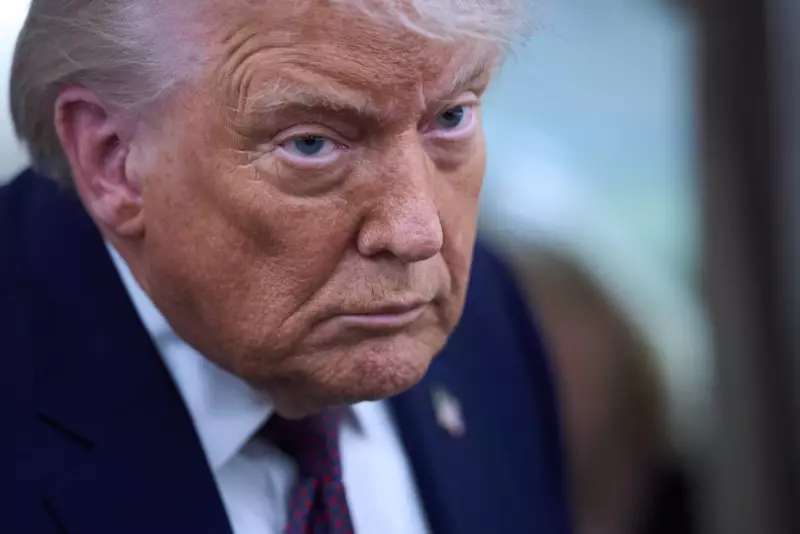
Trump Renews 'Governor Carney' Jibe, Issues Stark Tariff Warning to Canada
In a significant escalation of trade rhetoric, former U.S. President Donald Trump has revived his controversial "Governor Carney" taunt directed at Canadian Prime Minister Mark Carney while simultaneously threatening to impose 100% tariffs on Canadian goods. This development comes amid ongoing tensions over Canada's trade relationships, particularly with China, and signals potential turbulence ahead for North American economic relations.
The Return of a Controversial Moniker
Trump's renewed use of the "Governor Carney" label represents a deliberate political provocation, referencing Carney's previous role as Governor of the Bank of England before entering Canadian politics. Political commentators, including Scott Reid who weighed in on the remarks, suggest this terminology is designed to undermine Carney's legitimacy as Canada's elected leader while appealing to Trump's domestic base ahead of potential political campaigns.
Economic Threats with Far-Reaching Implications
The 100% tariff threat represents one of the most severe economic warnings issued between the two nations in recent years. Such measures, if implemented, would dramatically impact cross-border trade that totals hundreds of billions annually. The automotive sector, agricultural exports, and energy products would be particularly vulnerable to these proposed punitive measures.

Trump's warning specifically cites concerns about Canada's trade relationship with China, suggesting that Ottawa's economic ties with Beijing have become a point of contention in Washington. This positions Canada in a delicate balancing act between its largest trading partner and an increasingly assertive China.
Political Context and Domestic Response
The timing of these remarks coincides with Parliament's return in Ottawa, where Conservative Leader Pierre Poilievre has pledged cooperation while calling for action from the governing Liberals. The abrupt cancellation of Prime Minister Carney's closing press conference following a cabinet retreat adds another layer of political intrigue to this developing situation.
Meanwhile, the Canadian government faces multiple domestic challenges alongside this international pressure, including:
- Extreme weather conditions affecting transportation and infrastructure
- Ongoing healthcare system concerns in several provinces
- Economic pressures including retail fluctuations and housing challenges
Historical Precedents and Future Scenarios
This isn't the first time Trump has employed aggressive trade rhetoric toward Canada. During his previous administration, tensions over NAFTA renegotiation and aluminum tariffs created significant bilateral friction. However, the specificity of the 100% tariff threat and its connection to China policy represents a new escalation in trade diplomacy.
Analysts suggest several potential outcomes from this development:
- Increased diplomatic efforts to clarify Canada's China trade policies
- Potential retaliatory measures from Ottawa if tariffs are implemented
- Shifts in Canadian trade diversification strategies
- Impact on upcoming political dynamics in both countries
The situation remains fluid, with Canadian officials likely to respond cautiously while assessing the seriousness of these threats against the backdrop of other pressing international and domestic concerns.






