

Trump Administration Targets Cuba with Aggressive Tariff Threat
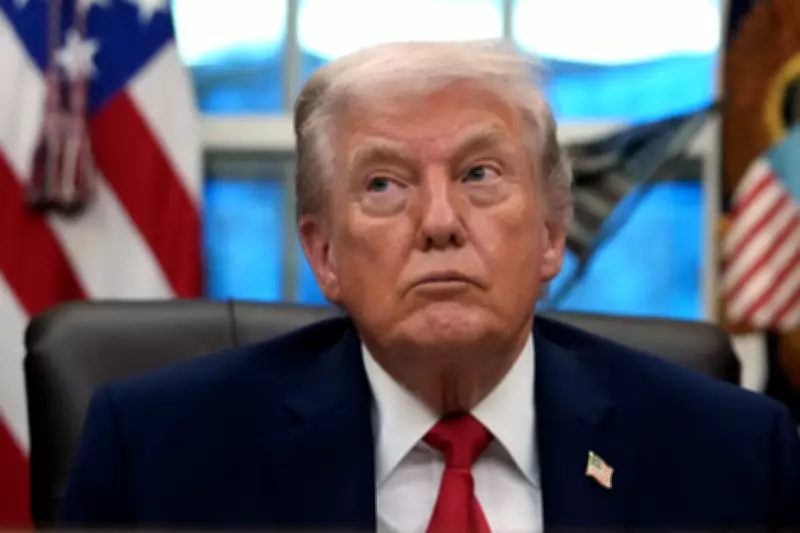
In a significant escalation of economic pressure, U.S. President Donald Trump has announced a new policy threatening to impose substantial tariffs on nations that continue to sell oil to Cuba. The announcement, made from the Oval Office on January 29, 2026, represents a hardening of the United States' long-standing embargo against the Caribbean nation.
Details of the Proposed Tariff Measures
The proposed measures would implement a 50% tariff on all goods imported from any country found to be selling petroleum products to Cuba. This aggressive economic tool is designed to further isolate the Cuban government by cutting off its access to international energy markets. The announcement comes amid ongoing tensions between Washington and Havana, with the Trump administration citing Cuba's support for Venezuela's government as a primary concern.
"We cannot allow countries to prop up regimes that undermine democracy in our hemisphere," President Trump stated during the announcement. "Any nation that chooses to do business with the Cuban dictatorship will face severe economic consequences."

Mexico Faces Immediate Pressure
Analysts note that this policy places immediate and substantial pressure on Mexico, which has maintained energy trade relationships with Cuba despite previous U.S. sanctions. Mexico has historically been one of Cuba's most reliable energy partners, and the threat of 50% tariffs on Mexican exports to the United States could have devastating economic consequences.
The timing of this announcement is particularly significant as it coincides with ongoing negotiations between the U.S. and Mexico regarding various trade matters. Economic experts suggest this move could be interpreted as leverage in those broader discussions, though the White House has not explicitly linked the two issues.
Broader International Implications
Beyond Mexico, several other nations could be affected by this policy shift:
- Venezuela, despite its own economic challenges, continues limited oil shipments to Cuba
- Russia has increased energy cooperation with Cuba in recent years
- Various Caribbean nations maintain smaller-scale energy relationships with Havana
The policy represents a significant expansion of the Trump administration's use of tariffs as a foreign policy tool. Previous administrations have relied more heavily on direct sanctions against specific entities, whereas this approach threatens to penalize entire nations for their trade relationships.
Potential Economic and Diplomatic Fallout
International relations experts warn that this move could strain relationships with key allies and trading partners. The European Union, which has consistently opposed the U.S. embargo against Cuba, may view this as an extraterritorial application of American law that violates international trade norms.
Within the Western Hemisphere, the announcement has already sparked concern among nations that advocate for a more engagement-based approach to Cuba. Canada, which maintains diplomatic and economic ties with Cuba, now faces difficult decisions about how to respond to this latest escalation.
The Trump administration's aggressive stance comes as the President faces domestic political challenges, including an upcoming leadership vote within the Conservative party that will be closely watched by political observers. Some analysts suggest the Cuba announcement may be partly intended to demonstrate foreign policy strength to his political base.
As the international community digests this development, attention now turns to how affected nations will respond. Mexico's government has yet to issue an official statement, but diplomatic sources indicate high-level discussions are already underway to assess the potential impact and formulate an appropriate response.






