

In a significant escalation of economic pressure, U.S. President Donald Trump has announced a sweeping 25 per cent tariff on any country conducting business with Iran. The move comes as a leading human rights organization estimates that the Iranian government's violent crackdown on nationwide protests has resulted in at least 648 fatalities.
Economic Pressure and a Deadly Crackdown
President Trump declared the new levies in a social media post on Monday, January 12, 2026, stating they would "immediately" impact Iran's trading partners who also engage in commerce with the United States. "This order is final and conclusive," he wrote, though he did not specify which nations would be affected. According to data from Trading Economics, Iran's primary trade partners include China, Turkey, the United Arab Emirates, and Iraq, all of which could now face substantial new costs for their economic ties to Tehran.
This aggressive economic maneuver coincides with a period of intense domestic turmoil within Iran. Protests that began on Thursday have spread across the nation, presenting one of the most serious challenges to the country's clerical leadership since the 1979 Islamic Revolution. While Iranian authorities claim to have regained control, rights groups paint a starkly different picture.

A Shrouded Crisis: Internet Blackout and Rising Death Toll
The Norway-based NGO Iran Human Rights (IHR) has confirmed that at least 648 people, including nine minors, have been killed during the government's suppression of the demonstrations. The group warns the actual death toll is likely far higher, with some estimates suggesting more than 6,000 fatalities. Compounding the difficulty in verifying these numbers is a near-total internet blackout that has lasted for more than four days, severely restricting the flow of information out of the country.
Human Rights Watch has accused Iranian authorities of significantly intensifying their lethal crackdown since January 8, with credible reports of security forces carrying out large-scale killings. IHR also estimates that approximately 10,000 people have been arrested in connection with the protests. While international phone calls have partially resumed, allowing only outgoing calls from Iran, the digital curtain remains largely drawn.
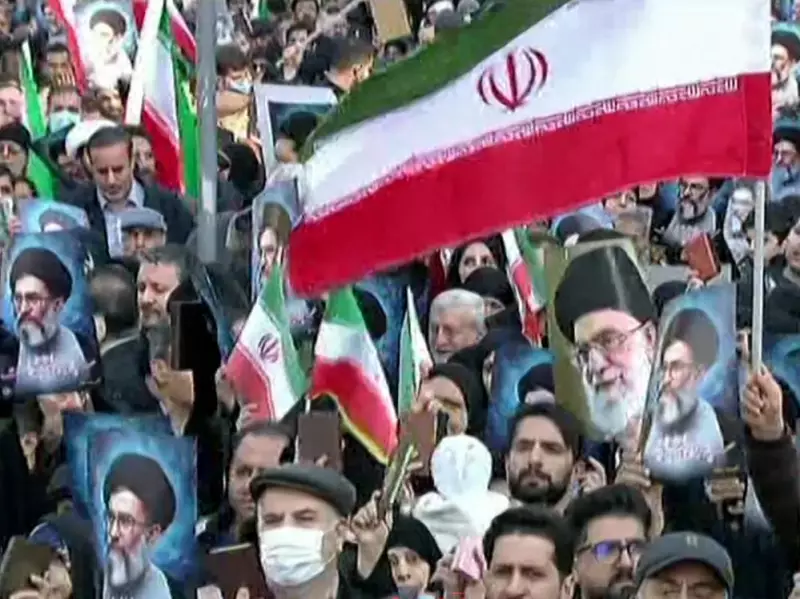
Iranian state media has reported dozens of security force members killed, with their funerals transforming into large pro-government rallies. The government has declared three days of national mourning for those killed.
Diplomatic and Military Posturing
The White House stated on Monday that President Trump remains "unafraid" to deploy military force against Iran but is pursuing diplomacy as a first course of action. Trump has repeatedly threatened Iran with military intervention in the past.
In response to the escalating tensions, Iranian Foreign Minister Abbas Araghchi struck a defiant tone in an interview with Al Jazeera. He claimed the government initially engaged in dialogue with protesters and asserted the internet was severed only after the confrontation with what he called "terrorist operations" directed from outside Iran. Addressing Trump's threats, Araghchi stated, "We are prepared for any eventuality... It doesn't matter which option they choose, we are ready for it."
The confluence of severe internal repression and heightened external economic pressure marks a dangerous new phase in the long-standing confrontation between Washington and Tehran, with global trade partners caught in the middle and the human cost inside Iran continuing to rise.






