Goldstein: Criticizing Flawed Immigration and Refugee Policies Is Not Racism
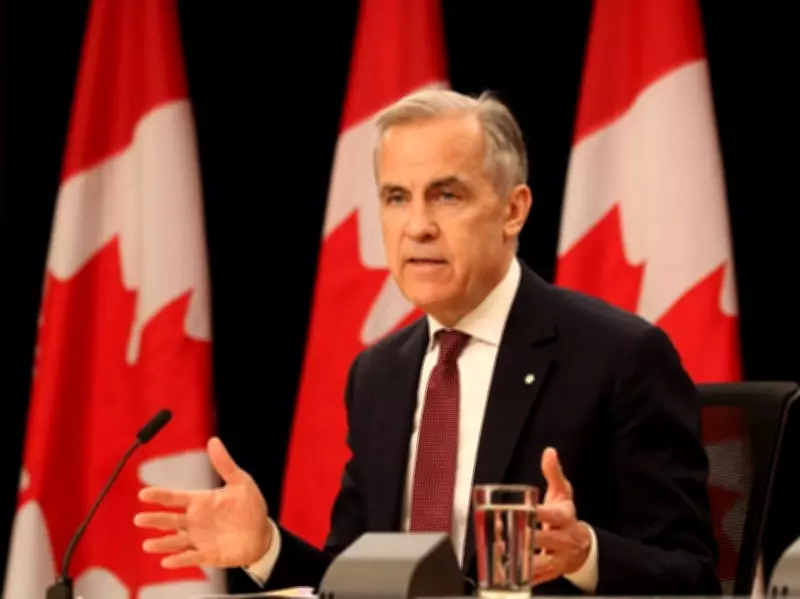
When Prime Minister Mark Carney's administration dismisses legitimate criticism of Canada's immigration and refugee policies as racism, it effectively labels a majority of Canadians as racist. This tactic is not new for the Liberals, echoing strategies used by the previous Justin Trudeau government.
Historical Context and Policy Shifts
The Trudeau government long ignored public concerns about high immigration and refugee levels until April 2024, when Trudeau himself conceded that immigration had "grown at a rate far beyond what Canada has been able to absorb." This admission led to reductions in future targets for permanent residents, temporary residents, and refugees. The issue resurfaced recently when Conservatives proposed reforms to the interim federal health program, which provides health benefits to refugee claimants, including those with rejected claims.
This program, costing $60 million in 2016 for under 100,000 claimants, has ballooned to nearly $1 billion today for over 600,000 claimants, according to parliamentary budget officer reports. Projections indicate it could reach $1.5 billion by 2029-30. Conservative proposals include reviewing the program for savings, restricting benefits for rejected claimants to emergency care, and deporting non-citizens convicted of serious crimes. In response, Liberals accused Conservatives of "punching down" on vulnerable individuals, dismissing widespread public concerns.

Public Opinion and Polling Data
A comprehensive Environics Institute survey from September, involving 2,004 Canadians with a 2.2% margin of error, revealed significant public sentiment:
- 56% agreed there is too much immigration to Canada, while 38% disagreed and 6% gave no answer.
- 46% agreed that many refugee claimants are not genuine refugees, with 33% disagreeing and 21% uncertain.
- 60% agreed that too many immigrants are not adopting Canadian values, versus 33% disagreeing and 7% with no opinion.
Environics noted that "a majority of Canadians continue to say there is too much immigration," with increasing blame on poor government management. Concerns about refugee legitimacy and integration are rising, though a minority still associate immigrants with crime or racial issues.
Government Awareness and Systemic Problems
Federal polling by Immigration, Refugees and Citizenship Canada from November 2024 showed support for immigration levels at a 30-year low. Key findings include:
- Half of Canadians believe there are too many immigrants in their province or territory.
- 48% feel Canada admits too many asylum seekers.
- Two-thirds agree immigration strains public services and that Canada should prioritize unemployed Canadians over skilled immigrants.
- Over two-thirds predict negative impacts on the housing market from new immigrants, with three in five citing pressure on local housing prices.
These views are grounded in systemic issues, such as a refugee backlog of 300,000 cases compared to 17,000 in 2016, leading to approvals without hearings. Claim settlements often take two years or more, and the government has lost track of 30,000 individuals slated for deportation.
Nuanced Public Perspectives
Despite criticisms, most Canadians maintain positive views on immigration's economic impact and the potential of immigrants as citizens. The Environics poll found 81% believe someone born outside Canada is as likely to be a good citizen as a native-born individual, and 70% see immigration as economically beneficial. The core demand is not rooted in racism but in competent governance. Canadians seek a federal government that manages immigration and refugee policies effectively, addressing real concerns without inflammatory rhetoric.