

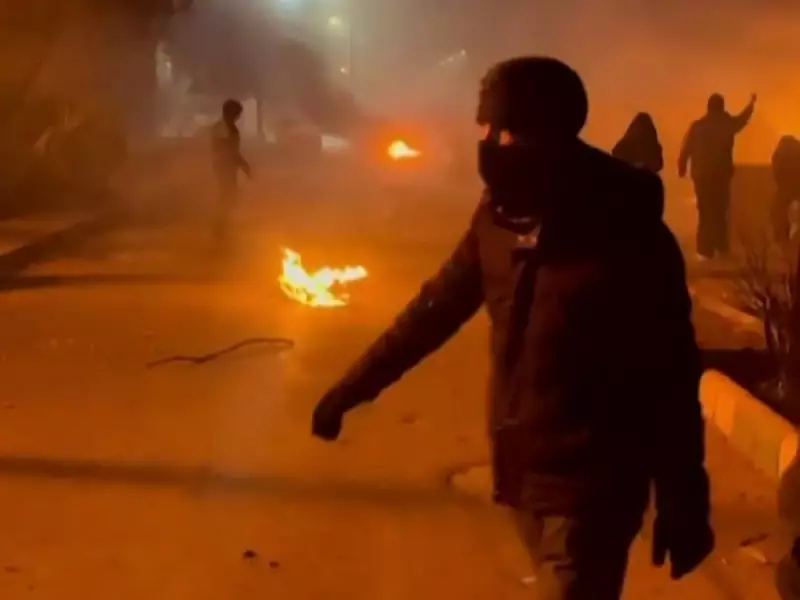
In a dramatic escalation of pressure on Tehran, U.S. President Donald Trump has announced a sweeping 25% tariff on any nation conducting business with Iran. The move comes amid widespread anti-government protests within the Islamic republic and reports from human rights groups indicating a death toll exceeding 2,000.
A Sweeping Tariff Announcement
President Trump made the declaration on his Truth Social platform on Monday, January 12, 2026. The order mandates a 25% tariff on all business conducted with the United States by any country that trades with Iran. "This Order is final and conclusive," the President stated. The White House officially echoed the announcement on social media, cementing the new economic policy.
The tariff is a direct response to the violent crackdown on protesters in Iran. According to the U.S.-based Human Rights Activists News Agency, more than 2,000 people have been killed by Iranian authorities during weeks of demonstrations. The protests, fueled by a struggling economy marked by high inflation, have spread across multiple cities.

Global Trade Implications and Canada's Stance
The new U.S. tariff could have significant global repercussions. Iran trades with over 100 nations, including major powers like China and Russia. Iran is a leading oil producer and exports goods like pistachios, while importing essential staples. China is Iran's largest trading partner, with imports topping $19 billion from January to October 2025. Iraq and Turkey also maintain substantial trade relationships with Tehran.
For Canada, the immediate impact is mitigated by existing sanctions. Canada's trade with Iran is heavily restricted, with exceptions made only for urgent humanitarian assistance and activities supporting basic human needs by approved groups. The Canadian government has long maintained sanctions against the Iranian regime.
Executions, Internet Blackouts, and "MIGA"
The crisis deepened with reports that Iran plans to execute a protester. Human rights groups state that 26-year-old Erfan Soltani was arrested and sentenced to death on a charge of "waging war against God." His execution was reportedly scheduled for January 14, 2026, though his lawyer was denied access.
Communications within Iran have been severely disrupted. Last Thursday, the government shut down internet access for millions. In response, President Trump revealed he met with former adviser Elon Musk to explore re-establishing connectivity via Starlink satellite service. "We may get the internet going," Trump stated on Sunday. While Iran eased some restrictions on Tuesday, allowing outgoing international calls, internet and text messaging remained largely blocked.
In a further statement on Tuesday, Trump urged Iranian protesters to continue and to "take over the country’s institutions." He pledged to cancel meetings with Iranian officials "until the senseless killing of protesters STOPS," signing off with the acronym "MIGA" – "Make Iran Great Again."






