

Trump Imposes Major Tariffs on Nations Arming Iran
In a bold move that underscores a hardening stance on international security, former President Donald Trump has announced the implementation of substantial new tariffs aimed at nations supplying weapons to Iran. The decision, revealed during a recent press briefing, introduces a 50% tariff rate on goods from these countries, signaling a significant escalation in economic and foreign policy measures.
Details of the Tariff Announcement
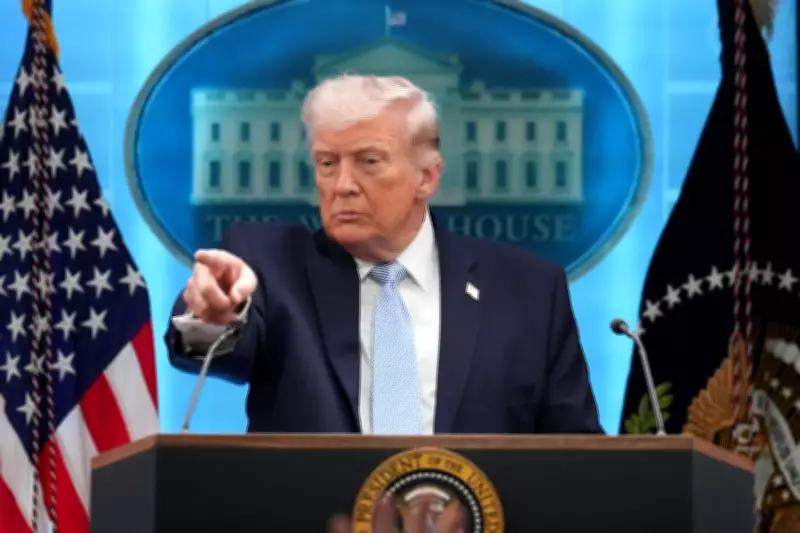
The announcement was made by President Trump while speaking with reporters in the James Brady Press Briefing Room at the White House. This policy directly targets countries that provide military equipment or arms to Iran, with the intent of curbing Tehran's access to weaponry and exerting economic pressure on its suppliers. The tariffs are set to take effect immediately, impacting a range of imported goods from the affected nations.
This move represents a sharp increase from previous measures and is part of a broader strategy to isolate Iran diplomatically and economically. By imposing such high tariffs, the Trump administration aims to deter other countries from engaging in arms deals with Iran, thereby weakening its military capabilities.

Potential Global Implications
The imposition of these tariffs is expected to have far-reaching consequences for international trade and geopolitical relations. Nations identified as suppliers to Iran could face significant economic disruptions, potentially leading to strained diplomatic ties with the United States. This policy may also influence global arms markets and alter alliances in regions where Iran is a key player.
Analysts suggest that the tariffs could provoke retaliatory measures from affected countries, escalating trade tensions and complicating efforts to address security concerns in the Middle East. The decision highlights the Trump administration's willingness to use economic tools as leverage in foreign policy, a approach that has been a hallmark of his tenure.
Context and Background
This announcement comes amid ongoing tensions between the United States and Iran, which have persisted over issues such as nuclear proliferation and regional influence. The Trump administration has consistently taken a hardline position against Iran, previously withdrawing from the Iran nuclear deal and imposing various sanctions.
The new tariffs add another layer to this strategy, directly targeting third-party nations that facilitate Iran's military buildup. This policy is likely to be viewed as a test of international compliance with U.S. directives, potentially reshaping how countries engage with Iran in the future.
As the situation develops, stakeholders will be closely monitoring the implementation of these tariffs and their impact on global trade dynamics. The move underscores the complex interplay between economic policy and national security in contemporary international relations.






