

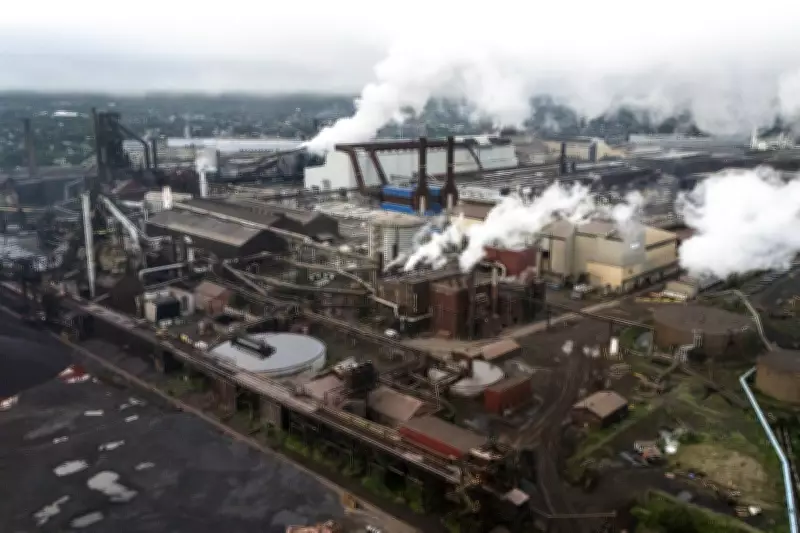
The prolonged global trade war, now stretching into its second year, continues to impose significant strain on key Canadian industries, with steel producers like Algoma Steel Inc. facing particularly harsh challenges. Located along the St. Marys River in Sault Ste. Marie, Ontario, Algoma Steel, as Canada's second-largest steel producer, exemplifies the broader economic pressures rippling through tariff-affected sectors.
Economic Toll on Steel and Beyond
Since the imposition of tariffs over a year ago, businesses across Canada have grappled with increased costs and disrupted supply chains. The steel industry, a cornerstone of manufacturing and construction, has seen production hurdles and competitive disadvantages in international markets. Experts warn that without resolution, these conditions could lead to job losses and reduced investment in critical infrastructure projects.
Broader Implications for Canadian Economy
The trade war's impact extends beyond steel, affecting agriculture, automotive, and technology sectors. Many companies report difficulties in planning long-term strategies due to ongoing uncertainty, with some scaling back operations or seeking alternative markets. This volatility complicates efforts to stabilize the national economy amid fluctuating global demand.

Industry Responses and Adaptation
In response, firms are exploring adaptive measures, such as diversifying supply sources and investing in efficiency technologies. However, these adjustments often come with high upfront costs, further squeezing profit margins. Government support programs have been introduced, but stakeholders argue more targeted relief is needed to sustain competitiveness.
Future Outlook and Policy Considerations
As the trade war persists, analysts emphasize the need for diplomatic solutions to ease tariff burdens. Policymakers are urged to prioritize trade agreements that protect domestic industries while fostering international cooperation. The coming months will be critical in determining whether Canadian businesses can weather this prolonged economic storm or face deeper structural challenges.






