

Taiwan has formally escalated a significant trade dispute with Canada by lodging a complaint with the World Trade Organization (WTO). The challenge targets tariffs imposed by Ottawa on Taiwanese steel products, marking a notable friction point in bilateral economic relations.
The Core of the Trade Dispute
The complaint, filed on December 18, 2025, alleges that Canada's duties on certain Taiwanese steel imports violate international trade rules. This legal step initiates a formal WTO dispute settlement process, which could lead to consultations between the two parties and, potentially, a ruling by a WTO panel.
This action underscores the growing tensions in global steel trade, where nations frequently employ tariffs to protect domestic industries from foreign competition. For Canada, a major steel producer, such measures are often framed as safeguards for local jobs and manufacturing capacity.

Canadian Steel Industry Context
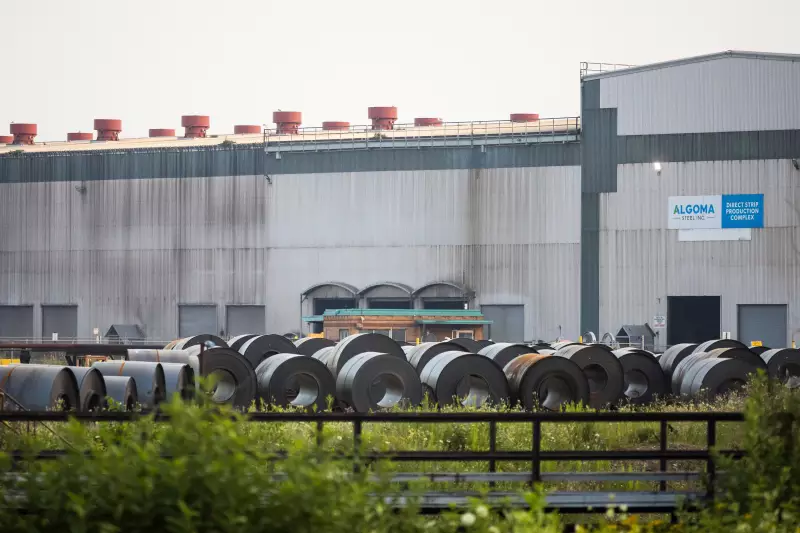
The dispute directly impacts Canada's industrial heartland. A key player is Algoma Steel Inc., the nation's second-largest steel producer, headquartered in Sault Ste. Marie, Ontario. The company, like others in the sector, operates in a competitive global market where tariff policies can significantly influence pricing and market access.
Photographs from July 2025 show rolled coils of steel sitting in Algoma's yard, a visual representation of the industry at the center of this international disagreement. The protection of such domestic producers is a central rationale behind the tariff measures now under challenge.
Potential Ramifications and Next Steps
The filing of a WTO complaint is a serious diplomatic and economic move. It signals that Taiwan is prepared to use multilateral institutions to contest what it views as unfair trade barriers. The process will involve detailed legal arguments from both sides regarding the consistency of Canada's tariffs with its WTO obligations.
If consultations fail to resolve the issue, the WTO may establish a panel to adjudicate. A ruling against Canada could authorize Taiwan to impose retaliatory trade measures unless the tariffs are adjusted to comply with international law. This case will be closely watched by other steel-producing and exporting nations, as it could set a precedent for similar disputes.
For Canadian policymakers and industry leaders, the complaint presents a complex challenge: balancing the defense of domestic manufacturing against the country's broader commitment to a rules-based international trading system. The outcome could have lasting implications for trade policy and industrial strategy.






