

A prominent Canadian manufacturer of snow plows and agricultural equipment is struggling to navigate the renewed trade barriers imposed by the United States, as tariffs championed by President Donald Trump create a significant obstacle for cross-border business.
The Tariff Wall Facing Canadian Exporters
The company, based in Ontario, finds its path to the crucial U.S. market effectively blocked by the tariff measures. These trade restrictions, announced and implemented by the Trump administration, have directly increased the cost of exporting Canadian-made goods south of the border. For manufacturers of large, price-sensitive equipment like plows, even a marginal increase in cost can make their products uncompetitive against American rivals.
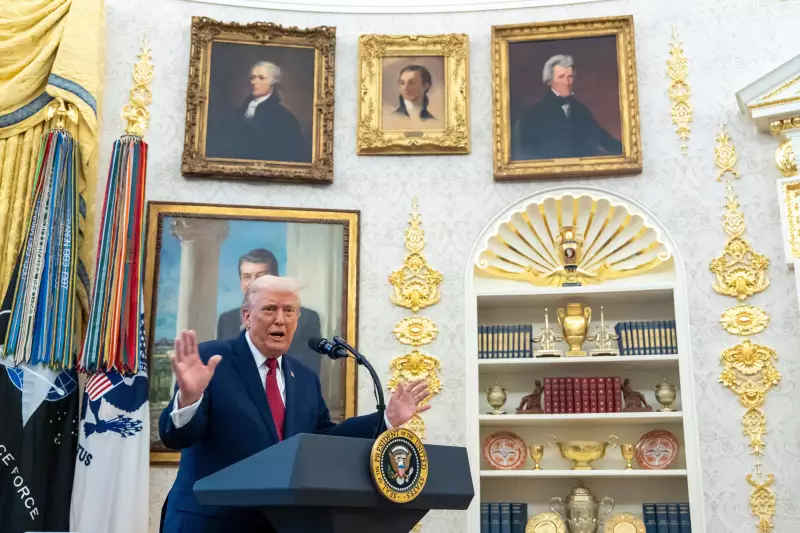
The situation underscores the ongoing vulnerability of Canadian exporters to shifts in U.S. trade policy. President Donald Trump, speaking from the Oval Office on Monday, December 15, 2025, reaffirmed his administration's commitment to what he calls protective trade measures. This policy direction has immediate and tangible consequences for businesses that have long relied on integrated North American supply chains.

Broader Impact on Trade and Manufacturing
This specific case of the Ontario plow-maker is not an isolated incident but rather a symptom of broader trade tensions. The reinstated tariffs disrupt years of trade normalization and force Canadian companies to reassess their market strategies. Some may be forced to absorb the extra costs, cutting into already thin profit margins, while others might need to explore costly alternatives like establishing manufacturing operations within the United States.
The financial strain on individual businesses can ripple through local economies, affecting jobs and related industries in communities dependent on manufacturing. For a sector like agricultural equipment, which is vital to both Canadian and U.S. farming operations, these barriers introduce inefficiency and higher costs for end-users on both sides of the border.
Navigating an Uncertain Future
The predicament leaves the Canadian firm and others like it in a state of uncertainty. The longevity of the tariff regime is tied to the political climate in Washington, making long-term planning exceptionally difficult. Companies must decide whether to wait out the policy, diversify into other international markets, or make painful operational adjustments.
This news highlights the persistent challenges within the Canada-U.S. trade relationship, where Canadian businesses remain exposed to American domestic policy decisions. The outcome for this plow-maker and countless other exporters will depend on diplomatic negotiations, potential exemptions, and the evolving economic strategies of both nations in the coming year.






