In a stark blow to Canada's trade ambitions, the world's largest potash producer, Saskatoon-based Nutrien Ltd., has announced a plan to invest US$1 billion to build a new export terminal in Longview, Washington. This decision effectively bypasses Canada's largest port in Vancouver, redirecting a crucial export commodity through the United States.
A National Embarrassment Rooted in Inefficiency
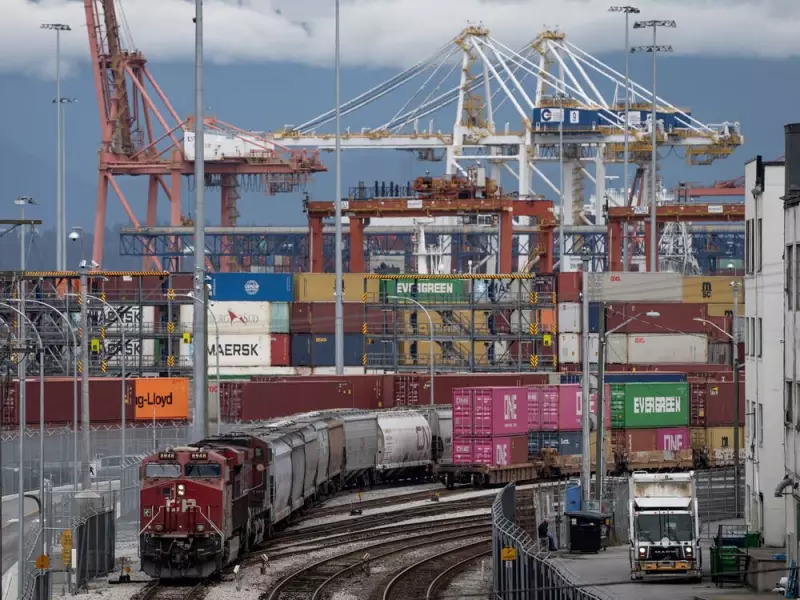
Nutrien cited persistent rail bottlenecks and repeated labour stoppages at the Port of Vancouver as primary reasons for looking south. The company stated that the U.S. route offered a more efficient pathway to key growth markets in China, India, and Japan. This move, described by industry observers as a national embarrassment, underscores a systemic failure in Canada's critical trade infrastructure.
The timing is particularly damaging given forecasts for massive increases in global potash demand. If finalized in 2027 as expected, Nutrien's investment means the bulk of its product will flow to Asia from a U.S. port, 450 kilometres south of Vancouver, which was once the logical shipping point.

Vancouver's Port Ranks Near the Bottom Globally
The core of the problem is quantified in a damning international report. The World Bank's annual Container Port Performance Index, released in September, ranked the Port of Vancouver 389th out of 403 ports worldwide for efficiency. It consistently trails other major Pacific gateways like Seattle, Long Beach, Los Angeles, and even Canada's own Port of Prince Rupert.
The consequences of this inefficiency are visible from shore: giant container ships languish at anchor for days or even weeks, accruing massive costs for shippers. Stakeholders argue that chronic issues—supply chain congestion, inadequate storage, and aging infrastructure—have been ignored for years, even as port fees continue to rise.
Legal Battles and Fee Disputes Compound the Crisis
The port's financial model is itself a point of contention. In 2022, five major grain terminal operators, including industry giants Richardson International and Parrish & Heimbecker, launched a lawsuit against the Vancouver Fraser Port Authority. They challenged new "Gateway Infrastructure Fees" intended to help recoup costs from a $380 million federal infrastructure grant awarded in 2017.
The terminal owners argued in court that few of the upgrades funded by the grant directly benefited port assets, with projects like eliminating a rail crossing in Pitt Meadows—40 kilometres from the port—doing more for local traffic and cycling than for export fluidity. The provinces of Manitoba and Saskatchewan intervened, with Saskatchewan's justice minister warning the fees could "significantly increase costs" and "diminish Canada's overall competitiveness."
The port authority maintains the fees are necessary to fulfill its mandate of being financially self-sustaining. However, this legal standoff, combined with the port's operational failures, creates a toxic environment for exporters like Nutrien, who are now voting with their capital.
Nutrien's pivot to Washington is a powerful market signal. It highlights an urgent need for systemic change at the Port of Vancouver if Canada hopes to diversify and strengthen its exports. Without clearing this critical bottleneck, the country risks watching more of its economic potential sail away from American shores.