Saskatchewan Premier Calls for Clear Distinction Between Trade and Security in India Dialogue
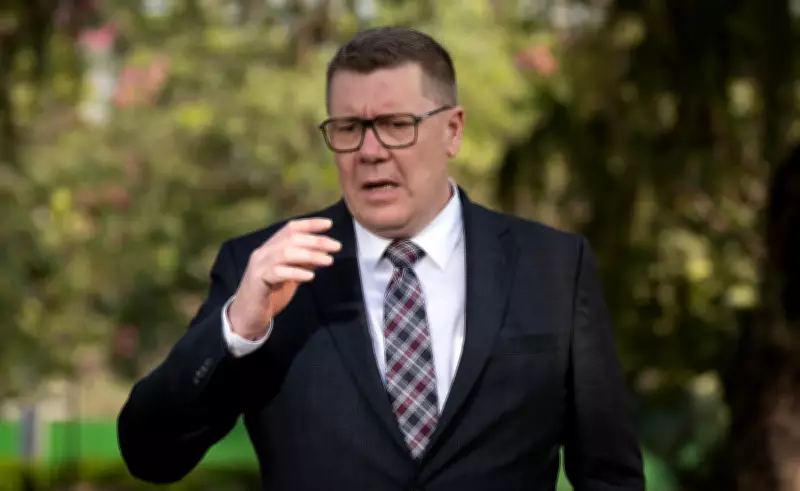
Saskatchewan Premier Scott Moe has publicly urged for a separation of trade discussions from national security concerns during his recent diplomatic engagements in India. Speaking from Canada's High Commission in New Delhi on Monday, March 2, 2026, Moe emphasized that intertwining these two critical areas could hinder potential economic partnerships and growth opportunities between Saskatchewan and India.
Moe's Stance on Economic and Security Priorities
In his address, Premier Moe highlighted the importance of maintaining a clear boundary between trade negotiations and security matters. He argued that conflating the two often leads to unnecessary complications and delays in establishing robust economic relationships. Moe pointed out that Saskatchewan, as a major exporter of agricultural products and natural resources, stands to benefit significantly from enhanced trade with India, one of the world's fastest-growing economies.
"Our focus should be on creating mutually beneficial trade agreements that drive prosperity for both Saskatchewan and India," Moe stated. "While national security is undoubtedly paramount, it should not overshadow the potential for economic collaboration that can uplift communities and strengthen bilateral ties."

Context of the India Visit and Broader Implications
The Premier's visit to India comes at a time when global trade dynamics are increasingly influenced by geopolitical tensions and security considerations. Moe's comments reflect a growing sentiment among provincial leaders who seek to insulate economic interests from the volatility of international security debates. By advocating for this separation, Moe aims to position Saskatchewan as a reliable and forward-thinking partner in the global market.
This approach aligns with Saskatchewan's strategic goals to diversify its trade portfolio and reduce dependency on traditional markets. India represents a key opportunity for expansion, particularly in sectors like potash, lentils, and canola, where Saskatchewan holds a competitive advantage. Moe's push for decoupling trade from security issues is seen as a pragmatic step to unlock these opportunities without getting entangled in broader diplomatic disputes.
Reactions and Future Prospects
While Moe's remarks have garnered attention, they also spark debate on the feasibility of completely separating trade from national security in an interconnected world. Experts note that while the intent is to streamline negotiations, security concerns often permeate trade discussions, especially in sensitive industries. Nonetheless, Moe's advocacy underscores a proactive effort to prioritize economic development and job creation in Saskatchewan.
Looking ahead, Moe's dialogue with Indian officials is expected to pave the way for more focused trade talks, potentially leading to new agreements that benefit both regions. As global economic landscapes evolve, the Premier's stance may influence how other Canadian provinces approach international trade partnerships, emphasizing clarity and purpose in diplomatic engagements.