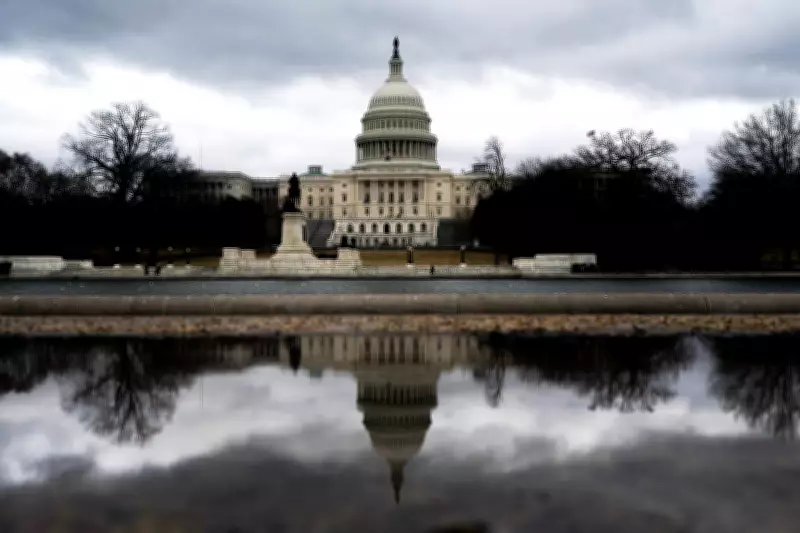
Manitoba's Washington D.C. Trade Representative Pay Details Unveiled
In a recent development, more specifics have emerged concerning the remuneration of Manitoba's trade representative based in Washington D.C., offering a clearer picture of the province's financial commitments in fostering international trade relations.
Compensation Structure Revealed
The details, which were disclosed through official channels, outline the salary and benefits package associated with the position. This role is pivotal in representing Manitoba's economic interests in the United States, particularly in the capital city where key policy decisions are made.
The trade representative's pay is structured to align with similar positions in other provinces, reflecting the competitive nature of attracting skilled professionals to such diplomatic roles. Sources indicate that the compensation includes a base salary supplemented by allowances for housing and travel, given the high cost of living in Washington D.C.

Role and Responsibilities
This representative is tasked with promoting Manitoba's exports, attracting investment, and building strategic partnerships with U.S. entities. The position requires extensive knowledge of both Canadian and American trade policies, as well as strong networking abilities to navigate the complex political landscape.
Experts suggest that such roles are crucial for provinces looking to enhance their global economic footprint, especially in a post-pandemic era where international trade dynamics are rapidly evolving.
Context and Implications
The revelation of these pay details comes at a time when provincial governments are under increased scrutiny for their spending on international offices. Manitoba's investment in this Washington D.C. role is seen as a strategic move to bolster its presence in one of the world's most influential economic hubs.
Comparatively, other Canadian provinces maintain similar representatives in key global cities, with varying compensation packages based on local economic conditions and the scope of responsibilities. Manitoba's approach appears to be in line with national standards, aiming to ensure competitiveness without excessive expenditure.
As discussions around government transparency and fiscal responsibility continue, these details provide valuable insight into how provinces allocate resources to support economic growth through international trade initiatives.