Lobster Industry Leaders from Canada and U.S. Gather in Moncton for Critical Trade Discussions
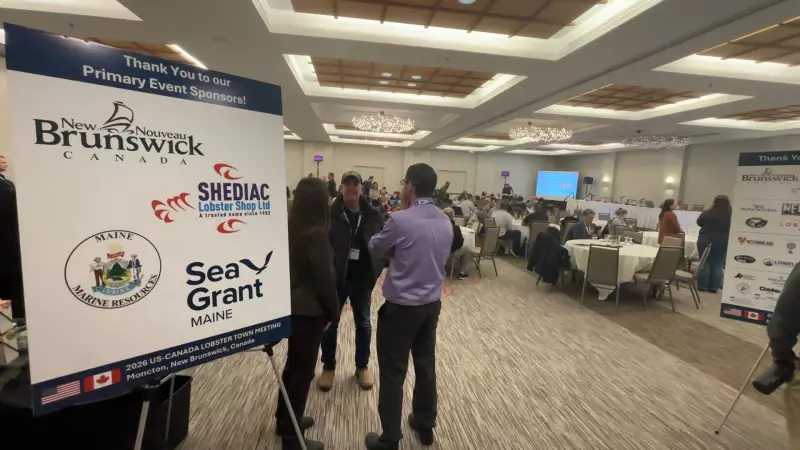
In a significant development for the North American seafood sector, lobster industry leaders from both Canada and the United States convened in Moncton, New Brunswick, for a pivotal "Lobster Town Meeting." This gathering brought together key stakeholders, including harvesters, processors, exporters, and policymakers, to address pressing trade issues and collaborative opportunities between the two nations.
Focus on Trade Barriers and Tariff Impacts
The meeting served as a crucial platform for discussing the complex trade dynamics that affect the lucrative lobster market. Participants engaged in detailed conversations about existing and potential tariffs, regulatory hurdles, and market access challenges that impact cross-border commerce. With both countries being major players in the global lobster trade, these discussions hold significant economic implications for coastal communities on both sides of the border.
Economic Significance of the Lobster Industry
The lobster industry represents a vital economic engine for Atlantic Canada and the northeastern United States. This summit highlighted the sector's importance, with leaders examining ways to strengthen supply chains, enhance sustainability practices, and navigate the evolving international trade landscape. The dialogue focused on maintaining competitive advantages while addressing consumer demands and environmental considerations.

Collaborative Approaches to Market Challenges
Attendees explored collaborative strategies to tackle shared challenges, including:
- Harmonizing regulatory standards between Canada and the U.S.
- Developing joint marketing initiatives to promote North American lobster globally
- Addressing labor shortages and workforce development in the industry
- Implementing technology solutions for traceability and quality control
The Moncton meeting provided a valuable opportunity for industry representatives to build relationships and establish frameworks for ongoing cooperation. As global demand for premium seafood continues to grow, such bilateral discussions become increasingly important for ensuring the long-term prosperity of the lobster sector in both nations.