High-Level CUSMA Talks Commence in Washington
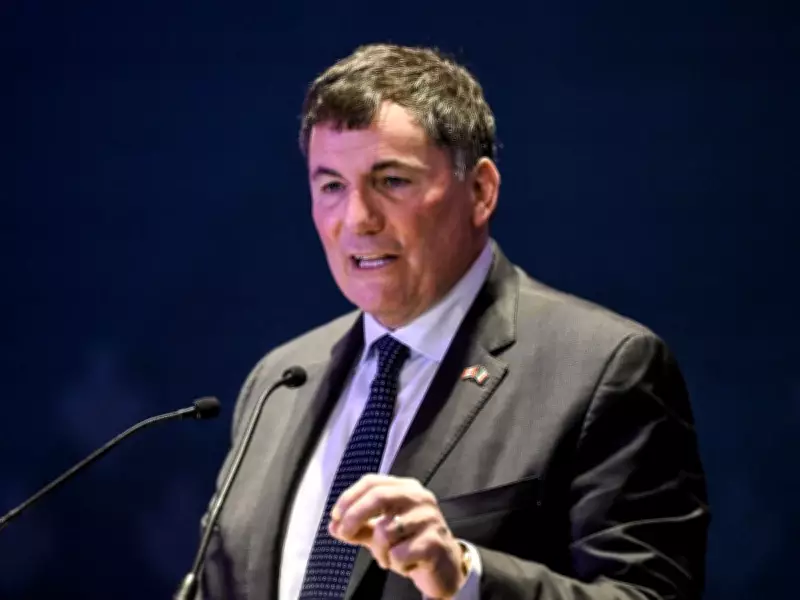
United States Trade Representative Jamieson Greer and Canada's Minister for Canada-U.S. Trade, Dominic LeBlanc, convened for significant in-person discussions in Washington on Friday. This meeting represents the first high-level, face-to-face engagement between the two officials in several months, occurring at a crucial juncture as preparations intensify for the upcoming review of the Canada-U.S.-Mexico Agreement (CUSMA).
Preparations for the CUSMA Review Accelerate
The bilateral meeting coincides with heightened activity among the three North American trading partners. Earlier this week, Greer and Mexican Secretary of Economy Marcelo Ebrard announced the commencement of preliminary talks to lay the groundwork for the formal review process. The existing CUSMA pact, which extends to 2036, includes provisions for annual reviews, with the inaugural session scheduled for July 1.
Dominic LeBlanc, emerging from the discussions, offered no substantive comments to waiting media, simply extending weekend wishes to a television crew. However, his prior public statements provide insight into Canada's position. Last week, LeBlanc expressed that he was "not pessimistic" about the agreement's renewal, anticipating targeted modifications rather than a comprehensive renegotiation.

The Shadow of Trump's Tariff Policies
The current political climate adds complexity to these trade discussions. Reports from Bloomberg News indicate that former President Donald Trump has privately contemplated withdrawing from CUSMA. While Greer has acknowledged that certain aspects of the agreement "function fine," he has also signaled the United States' desire for enhanced market access in specific sectors.
Presently, CUSMA serves as a protective shield for Canada and Mexico against the most severe impacts of Trump's broader global tariff strategy. The agreement exempts the majority of goods traded between the member nations. Nonetheless, sector-specific tariffs on automobiles, steel, aluminum, and lumber continue to inflate the costs of these U.S. imports from its North American neighbors.
Industry Perspectives and Negotiation Dynamics
Greer outlined a potential approach last week on Bloomberg Television, suggesting, "We will have separate protocols with Canada and Mexico that we tack on to CUSMA." This statement hints at a flexible, additive negotiation strategy rather than a wholesale overhaul of the existing framework.
The automotive industry, a critical component of North American trade, is actively involved in these discussions. Rob Wildeboer, Executive Chairman of auto parts manufacturer Martinrea International Inc., which operates across all three CUSMA countries, informed investors that his company is "heavily involved" in trade and manufacturing dialogues. Wildeboer expressed a strong industry consensus, spanning both original equipment manufacturers (OEMs) and suppliers, advocating for a tariff-free North American auto industry.
"I also foresee no tariffs on Canadian-made autos eventually. That's what we are negotiating for," Wildeboer stated. His company, headquartered in the Toronto region, generates most of its revenue from products shipped to assembly plants outside Canada.
Historical Context and Future Pathways
CUSMA, negotiated during Trump's first term, replaced the longstanding North American Free Trade Agreement (NAFTA), which had governed trilateral trade since 1994. The current agreement incorporates a clause permitting any member country to exit with a six-month notice. The nations also possess the option to extend the pact; absent an extension, the mandated annual reviews will proceed.
LeBlanc has not dismissed the possibility of a distinct bilateral agreement between Canada and the U.S. aimed at alleviating sectoral tariffs. Previous negotiations on such a deal were halted by Trump in October, following his displeasure with a television advertisement against tariffs sponsored by the province of Ontario.

As the July review deadline approaches, these preliminary talks between Greer, LeBlanc, and their Mexican counterparts will set the tone for critical negotiations that will shape the future of North American trade relations, economic stability, and industrial competitiveness in the face of evolving political and protectionist pressures.