

Indian Businesses Show Strong Interest in British Columbia's Resource Sector
British Columbia Premier David Eby has revealed that major Indian corporations are actively seeking investment opportunities in Canada's resource-rich western province. This development comes as both nations work to rebuild their economic relationship following recent diplomatic tensions.
High-Level Meetings with Indian Corporate Leaders
During a recent trade mission to India, Premier Eby engaged in substantive discussions with executives from some of the country's largest companies. These included Tata Steel Ltd. and Reliance Industries Ltd., the conglomerate controlled by Asia's wealthiest individual, Mukesh Ambani. The premier also met with representatives from Indian Oil Corp., Hindustan Petroleum Corp., JSW Group, and Hindalco Industries Ltd.
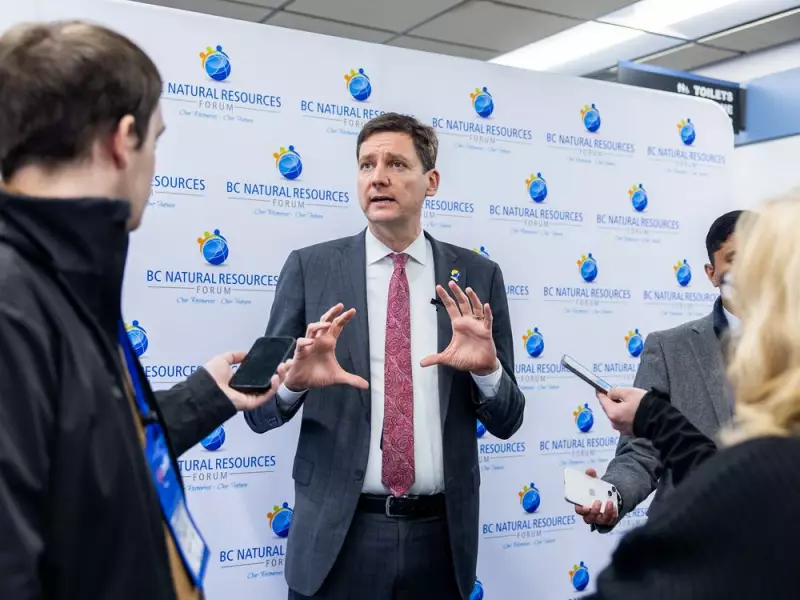
"They were keen on a number of fronts," Eby stated during his address at the BC Natural Resources Forum in Prince George. "They were interested in direct investment, including potentially processing on-site to reduce transportation costs."

Specific Resource Interests Identified
The Indian business leaders demonstrated particular interest in several key areas of British Columbia's resource economy:
- Liquefied natural gas (LNG) and clean fuel production
- Rare earth elements critical for technology manufacturing
- Nickel and copper for industrial applications
- Direct investment in processing facilities within British Columbia
Eby noted that Indian companies are operating with remarkable confidence in their nation's long-term economic growth, projecting annual expansion rates of eight to ten percent. This optimism is driving urgent searches for reliable energy sources and mineral inputs that British Columbia can potentially supply.
Strategic Context for Canada-India Trade Relations
This renewed interest from Indian investors aligns with Prime Minister Mark Carney's ambitious trade diversification strategy. The Canadian government has established a goal of doubling non-U.S. trade within a decade, recognizing the vulnerability of Canada's current export profile. Approximately seventy percent of Canadian goods currently flow across the southern border to the United States, a relationship that has become increasingly uncertain under the administration of President Donald Trump.
The timing of this investment interest represents a significant diplomatic turnaround. Just months ago, relations between Canada and India were strained by serious allegations from former Prime Minister Justin Trudeau's government. These included accusations that Indian diplomats had supported harassment and violence against Canadians, along with suggestions of possible connections between Prime Minister Narendra Modi's administration and the 2023 murder of a Canadian citizen in British Columbia.
Building Momentum Through High-Level Engagement
Prime Minister Carney has moved quickly to repair the bilateral relationship, scheduling an early-year visit to India. This follows his recent success in negotiating a trade rapprochement with China that reduced tariffs between the two nations. Meanwhile, Energy Minister Tim Hodgson is preparing to travel to Goa for India Energy Week, further demonstrating the Canadian government's commitment to strengthening energy partnerships.
Ravi Kahlon, British Columbia's Minister of Jobs and Economic Growth, who participated in the trade delegation, provided additional context during a conference panel discussion. "What we've heard from them was that they've been given clear direction from the top down that they must diversify their trade," Kahlon reported, highlighting the strategic imperative driving Indian investment interest.
Geographic Advantage for British Columbia
British Columbia's strategic position as Canada's Pacific gateway provides natural advantages for trade with Asian markets. The province's abundant natural resources, combined with its geographic proximity to Asia, create compelling opportunities for Indian businesses seeking to secure long-term supply chains while reducing transportation costs and logistical complexities.

The province is now sharing detailed lists of mine proposals with potential Indian investors and facilitating introductions to project backers, signaling a practical commitment to transforming investment interest into concrete economic partnerships.





