

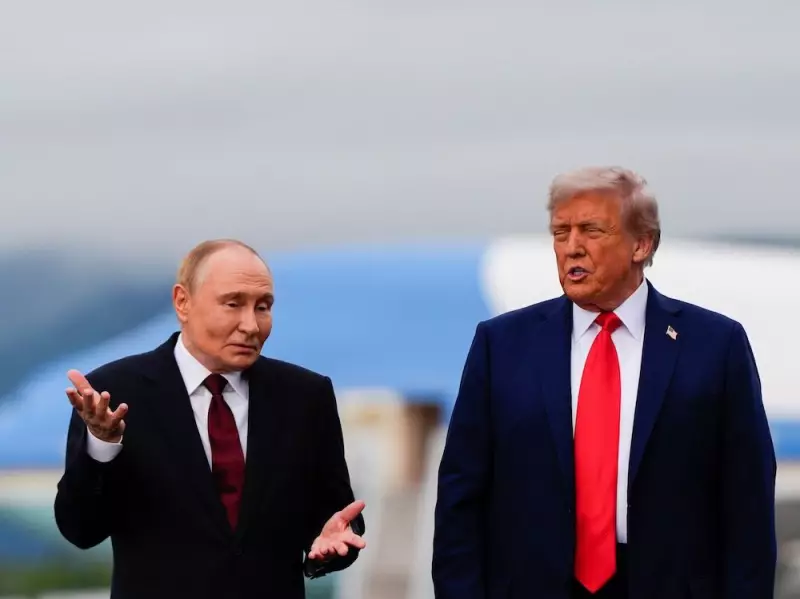
In a move emblematic of a faltering global order, the European Union concluded a squalid year with a whimper, not a bang. A bold plan to directly fund Ukraine's defence using frozen Russian assets collapsed under technocratic complexities and political timidity, forcing a significant compromise.
A Watered-Down Compromise on Russian Assets
The original, ambitious strategy was to seize roughly $200 billion in immobilized Russian sovereign wealth funds held at the Belgian securities depository Euroclear. This capital was intended as the backbone for a "reparations loan" to Ukraine, a financial instrument Moscow would ultimately be forced to repay. However, this plan unravelled last week.
Instead, after negotiations led by figures including Belgian Prime Minister Bart De Wever and against a backdrop of reported Russian pressure on Euroclear, the EU settled on a middling alternative. Member states voted to borrow approximately $105 billion on their own credit to support Ukraine's besieged republic, funding its defence for roughly another year.

A Silver Lining and a Systemic Fix
Despite the setback, Ukraine's closest allies within the bloc, spearheaded by German Chancellor Friedrich Merz and European Commission President Ursula von der Leyen, secured a critical secondary victory. They convinced the EU to invoke Article 122 of the EU Treaties, an emergency clause that allows the bloc to keep Russia's assets frozen indefinitely with a majority vote, rather than requiring unanimity.
This procedural shift is significant. It effectively neutralizes a major bug in the EU system that had allowed Russia-friendly states like Hungary to paralyze collective action. The new measure means Russia's European assets will remain locked until Moscow pays full war reparations to Kyiv, provided the EU majority holds its nerve.
The Trump Factor: A Dramatic Policy Pivot
These European manoeuvres occur against a disturbing backdrop of shifting American policy. The administration of President Donald Trump is engaged in intense deal-making, with recent focus on Minsk, the capital of Belarus—Russia's obsequious junior partner in the war on Ukraine.
A macabre twist involves the lifting of U.S. sanctions on Belarusian potash, a critical agricultural fertilizer. This move frees American buyers to purchase from Belarus, directly impacting Canada, which currently supplies nearly all of the potash used by American farmers. The situation is further complicated by President Trump's threats to impose heavy tariffs on Canadian potash.
This Minsk deal is not an isolated incident but appears to be a minor wrinkle in a dramatic and broader turnaround in how Washington intends to deal with the world, particularly regarding the police-state bloc led by Russia and China. For the White House, the sanctions regime of the past appears to be yesterday's news.
The cumulative effect signals an ignominious close to a period where democracy has globally retreated. While President Volodymyr Zelenskyy can, for now, count on funding to maintain a functioning state into 2027, the geopolitical winds are shifting in ways that suggest a pre-determined outcome is being orchestrated far from the battlefields of Ukraine.






