

EU Commission Signals Readiness to Implement Mercosur Trade Deal Despite Parliamentary Delay
The European Commission has indicated its readiness to proceed with the implementation of the comprehensive trade agreement with the South American bloc Mercosur. This stance comes despite a recent vote by the European Parliament to delay the deal by referring it to the European Court of Justice for further legal scrutiny.
Parliamentary Vote and Legal Referral
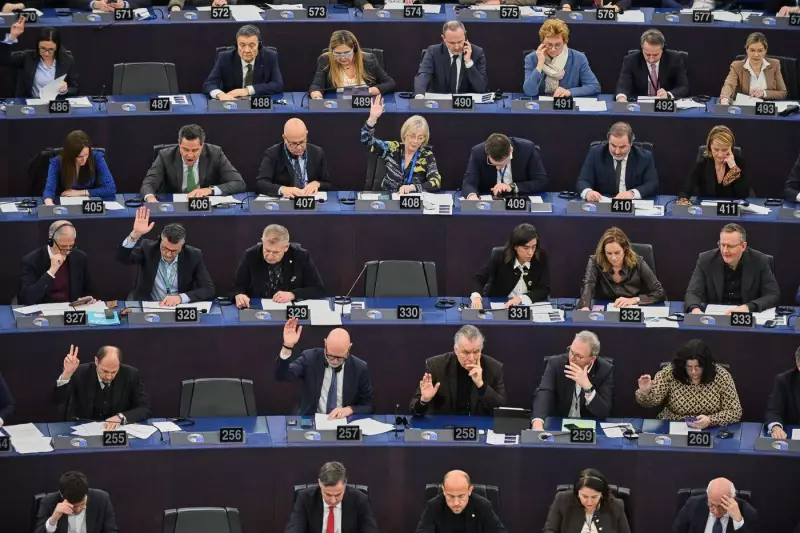
On Wednesday, January 21, 2026, lawmakers in the European Parliament convened in Strasbourg, France, and voted to refer the signed trade pact with Mercosur to the European Union's top court. This move effectively puts a temporary hold on the ratification process, as the court will examine the agreement's compliance with EU laws and environmental standards. The decision reflects ongoing concerns among some parliamentarians about the deal's potential impacts on sustainability and regulatory alignment.
Commission's Firm Stance on Trade Progress
In response to the parliamentary action, the European Commission has reaffirmed its commitment to the Mercosur agreement. Officials have emphasized that the deal, which aims to reduce tariffs and boost economic ties between the EU and Mercosur countries (including Argentina, Brazil, Paraguay, and Uruguay), is a strategic priority for enhancing global trade relations. The Commission argues that the agreement has undergone extensive negotiations and includes provisions for environmental and labor protections, aligning with the EU's broader trade policy objectives.

Implications for International Trade and Economic Policy
The tension between the Commission and Parliament highlights the complex dynamics of EU decision-making on major trade deals. While the Commission is eager to implement the pact to foster economic growth and strengthen geopolitical alliances, the Parliament's cautious approach underscores the importance of judicial oversight in ensuring that such agreements meet legal and ethical standards. This development could influence future trade negotiations and the balance of power between EU institutions.
As the legal review proceeds, stakeholders in both regions will be closely monitoring the outcome, which could have significant ramifications for trade flows, investment opportunities, and international cooperation in the coming years.






