

In a significant escalation of trade tensions, China has announced it will impose provisional tariffs of up to 42.7% on dairy products imported from the European Union. The decision, reported on December 22, 2025, marks a new chapter in the economic friction between the two global powers and has immediate implications for international agricultural markets.
Details of the Tariff Announcement
The new duties are provisional, indicating they are an initial response while a broader investigation or negotiation process may be underway. The specific rate of up to 42.7% suggests a tiered approach, likely targeting different dairy product categories or specific EU member states with varying severity. This move directly impacts a cornerstone of EU agricultural exports, potentially making products like cheese, butter, and milk powder significantly more expensive for Chinese consumers and importers.
Context and Potential Causes
While the immediate trigger for the tariffs was not detailed in the initial report, such measures are often retaliatory. The announcement comes amid ongoing trade disputes between Brussels and Beijing over a range of issues, including market access, subsidies, and geopolitical alignment. For Canadian observers and businesses, this development is a stark reminder of the volatility in global trade relations and the potential for spillover effects that can disrupt supply chains and commodity prices worldwide.

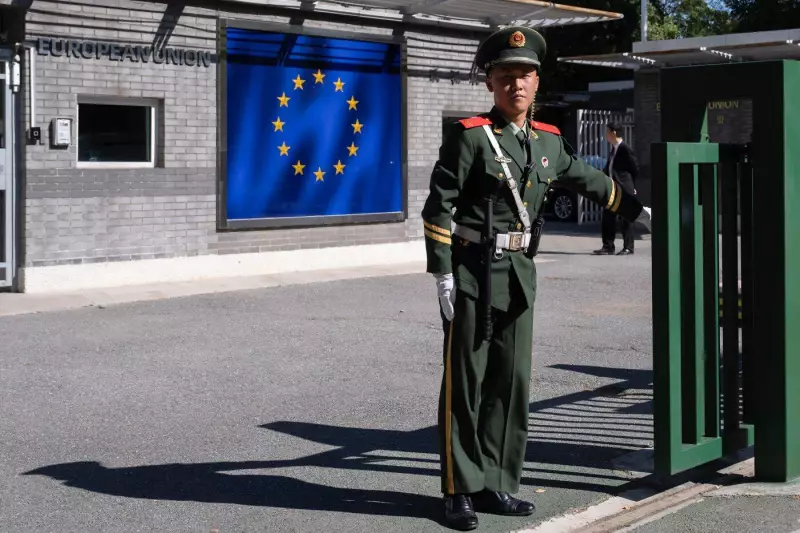
The image associated with the report—a Chinese paramilitary officer standing guard at the EU Delegation in Beijing in October 2023—underscores the political and security dimensions that often intertwine with these economic decisions.
Implications for Global Markets and Canada
This action by China will have ripple effects beyond Europe. Global dairy prices and trade flows could see significant shifts as EU exporters seek alternative markets and Chinese buyers look for new suppliers. For a major agricultural exporter like Canada, this creates both challenges and potential opportunities. While it underscores the risk of protectionism, it may also open doors for Canadian dairy exporters if they can navigate the complex landscape of international trade agreements and China's import regulations.
The imposition of these tariffs is a clear signal that trade tensions between major economies remain a potent force in 2025. Businesses involved in international agri-food trade, including those in Canada, must stay vigilant and adaptable to these rapidly changing policies.






