

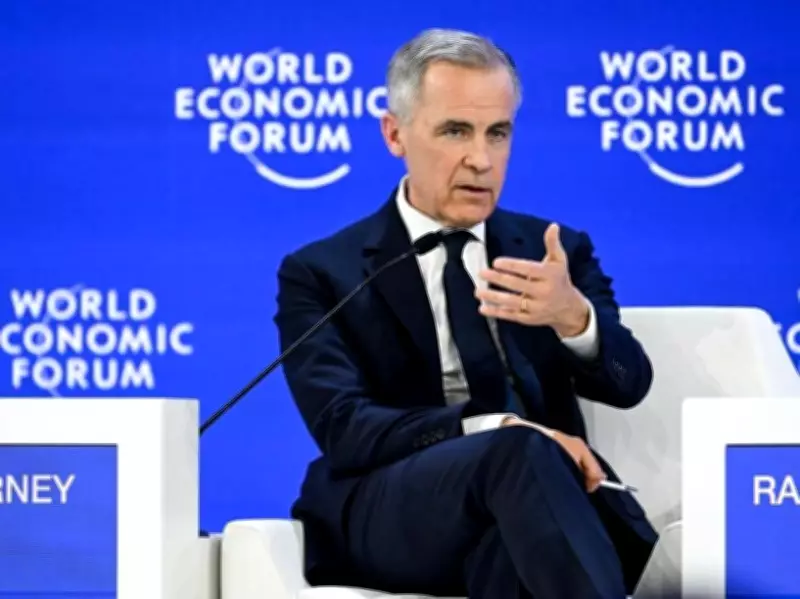
Prime Minister Mark Carney is facing mounting pressure to make the renewal of the Canada-U.S.-Mexico Agreement (CUSMA) his top priority as trade tensions with the United States continue to pose significant risks to the Canadian economy. The editorial comes at a critical juncture, with the trade deal's future hanging in the balance and the potential for severe economic consequences if negotiations falter.
The Stakes of CUSMA Renewal
Carney himself has emphasized the importance of maintaining Canada's favorable trade position with the United States. In recent statements, the Prime Minister noted that 85% of Canada's trade with the U.S. currently enjoys tariff-free status, resulting in an average U.S. tariff rate on Canadian goods of just 5.6%—the lowest among all American trading partners.
However, this relatively positive situation is threatened by sectoral tariffs of up to 50% that former U.S. President Donald Trump imposed on Canadian steel, aluminum, and other key exports. These measures have already inflicted damage on the Canadian economy, highlighting the fragility of current trade arrangements.

The Political Landscape
The editorial raises concerns about Carney's recent rhetoric at the World Economic Forum in Davos, Switzerland, where he made veiled criticisms of countries breaking international laws—a clear reference to Trump's trade policies. While Carney didn't mention Trump by name, the target was unmistakable to those in attendance.
This political posturing comes amid accusations from U.S. Treasury Secretary Scott Bessent that Carney talked tough publicly but softened his stance in private discussions with Trump—a claim the Prime Minister denies. The editorial characterizes this back-and-forth as "political bluster to appeal to domestic audiences in both countries" rather than productive diplomacy.
Economic Realities and Strategic Priorities
Despite the political theater, the economic realities remain stark. 75% of Canada's exports still go to the United States, ensuring that the bilateral relationship will remain Canada's most important trading partnership for years to come. While efforts to diversify trade with other nations are commendable, the immediate priority must be securing Canada's access to its largest market.
The editorial emphasizes that CUSMA remains a fundamentally good deal for Canada, even with the current challenges. The agreement provides crucial stability and framework for North American trade that would be difficult to replace if the deal were terminated.
Negotiation Challenges Ahead
Upcoming negotiations present both opportunities and risks. The editorial urges Carney to focus on expanding tariff-free coverage under CUSMA to include as many Canadian exports as possible. This strategic approach could help mitigate the impact of sectoral tariffs while strengthening Canada's competitive position.
A significant concern remains the possibility that Trump might attempt to scrap CUSMA entirely. The agreement allows any of the three signatory countries—the U.S., Canada, or Mexico—to withdraw with just six months' written notice, creating substantial uncertainty for Canadian businesses and policymakers.
Looking Forward
As trade negotiations loom, the editorial concludes that Carney must maintain a clear focus on securing the best possible outcome for Canadians under CUSMA. While political positioning may play well domestically, the Prime Minister's ultimate success will be measured by his ability to protect and enhance Canada's access to the American market—a task that requires careful diplomacy, strategic negotiation, and avoidance of unnecessary provocation.
The coming months will test whether Carney can balance domestic political pressures with the complex realities of international trade diplomacy, all while working to preserve what remains one of Canada's most valuable economic assets: preferential access to the world's largest economy.






