

The political landscape of 2026 is shaping up to be a decisive period for the economic partnership between Canada and the United States. Analysts point to the convergence of the U.S. midterm elections and the potential for a new wave of tariffs under a second Trump administration as key factors that could dramatically alter bilateral relations.
The Perfect Storm: Elections and Trade Policy
At the heart of the concern is the United States midterm election cycle in 2026. These elections will determine control of Congress and could significantly influence or constrain presidential trade policy. Should former President Donald Trump win re-election in 2024, his administration's approach to trade, particularly the use of tariffs, would face a critical test during the 2026 legislative session. Historical precedent shows that midterm elections often serve as a referendum on a president's first term, adding another layer of political volatility to international policy decisions.
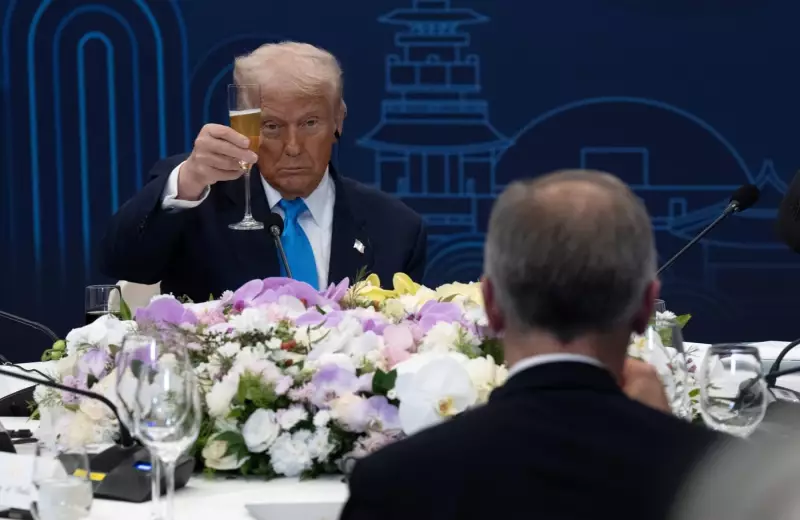
The relationship between the two North American leaders was on display as recently as October 29, 2025, when U.S. President Donald Trump and Canadian Prime Minister Mark Carney shared a toast at a working dinner in Gyeongju, South Korea. While the moment was cordial, underlying tensions over trade and economic sovereignty persist. The spectre of renewed tariff threats, similar to those imposed during Trump's first term, looms large over this diplomatic rapport.

Economic Implications for Canada
For Canada, a nation whose economy is deeply intertwined with its southern neighbour, the stakes could not be higher. New tariffs on Canadian goods—whether on automotive parts, softwood lumber, or agricultural products—would disrupt supply chains, increase costs for consumers and businesses, and potentially trigger a new era of trade disputes. The Canadian government and business leaders are likely already engaged in contingency planning, aiming to diversify trade partnerships while preparing to defend existing agreements like the USMCA.
The period leading up to and following the 2026 midterms will demand careful diplomatic navigation from Ottawa. Canada's strategy may involve bolstering advocacy within key U.S. congressional districts and states that benefit significantly from cross-border trade, hoping to build a coalition resistant to protectionist measures. The goal will be to frame the Canada-U.S. economic relationship not as a rivalry, but as a mutually beneficial partnership essential for North American competitiveness.
A Broader Shift in Reliance
This anticipated pressure on the trade front coincides with a broader Canadian reassessment of dependence on the United States. In a related development, Canada's Health Minister recently stated that the country can no longer rely on U.S. health institutions. This sentiment, reflecting lessons from pandemic-era supply chain vulnerabilities, underscores a growing national conversation about strategic autonomy across multiple sectors, from healthcare to critical minerals.
The year 2026, therefore, represents more than just an electoral event in the United States. It is a potential inflection point that may force Canada to accelerate its efforts to secure its economic future, whether through strengthened international alliances, domestic industrial policy, or a renewed push for innovation and self-sufficiency in key industries.
As the world watches the U.S. political drama unfold, Canadian policymakers, businesses, and diplomats are bracing for a year that could redefine the rules of North American trade for a generation. The outcome will depend not only on voters in the United States but also on the preparedness and strategic foresight demonstrated in capitals and boardrooms across Canada.






