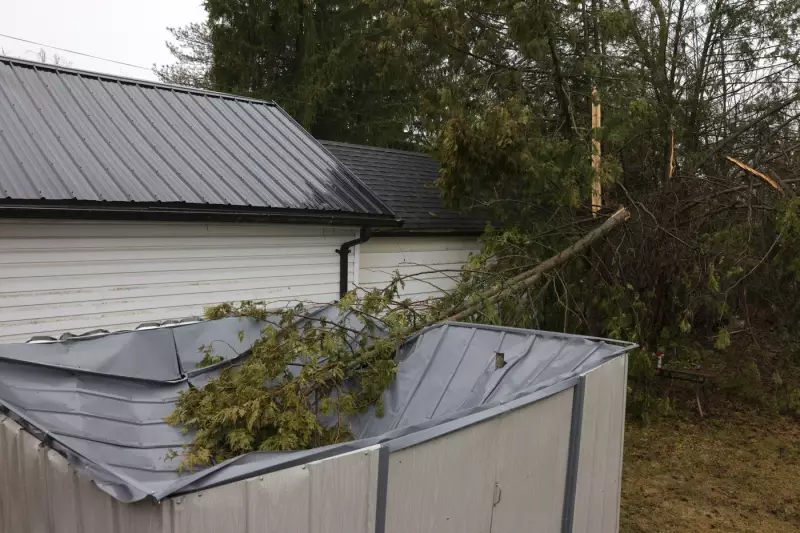
Severe Weather Events Trigger Over $2.4 Billion in Insured Damages Across Canada in 2025
A recent analysis from the Insurance Bureau of Canada has revealed a staggering financial impact from severe weather throughout the country in 2025. According to the report, insured losses surpassed $2.4 billion, underscoring the escalating economic toll of extreme meteorological events on Canadian communities and the insurance sector.
Escalating Financial Burden from Extreme Weather Patterns
The data indicates a consistent upward trend in weather-related claims, driven by a variety of destructive phenomena. These include intense storms, flooding, wildfires, and unseasonal temperature swings that have battered regions from coast to coast. The $2.4 billion figure represents only the insured portion of the damages, meaning the total economic cost, including uninsured losses and public infrastructure repairs, is likely significantly higher.
This substantial financial burden places immense pressure on insurance providers, policyholders, and government relief programs. Experts point to the increasing frequency and severity of these events as a key driver behind rising insurance premiums and deductibles for homeowners and businesses alike.

Regional Impacts and the Broader Climate Context
While the report aggregates national data, localized events contributed heavily to the total. For instance, severe thunderstorms in Ontario, drought-exacerbated wildfires in Western Canada, and coastal flooding in the Maritimes all played significant roles. The insurance industry emphasizes that these losses are not isolated incidents but part of a broader pattern linked to climate change.
The findings arrive amid growing calls for enhanced climate adaptation strategies and investments in resilient infrastructure. Industry leaders argue that proactive measures to fortify homes, update building codes, and protect natural buffers like wetlands are essential to mitigate future losses and stabilize the insurance market.
Looking Ahead: Risk Management and Policy Implications
As Canada grapples with the financial aftermath of a costly year, the report serves as a critical reminder of the tangible costs associated with a warming planet. The Insurance Bureau of Canada advocates for a collaborative approach involving all levels of government, the private sector, and communities to better prepare for and respond to extreme weather.
The $2.4 billion in insured losses for 2025 sets a concerning precedent, highlighting an urgent need for comprehensive risk management and sustainable policy frameworks to safeguard Canadian prosperity against an increasingly volatile climate.