Venezuela's crucial oil industry is facing a significant logistical challenge as its storage infrastructure reaches capacity. According to sources cited by Reuters, the country's storage tanks are now filled with residual fuel after a drastic reduction in exports.
Export Cuts Lead to Storage Crisis
The report, published on December 31, 2025, indicates that Venezuela has cut its fuel exports to an absolute minimum. This drastic action has directly led to a surplus of product with nowhere to go. The residual fuel, a heavier byproduct of the oil refining process, is now accumulating in storage facilities across the nation.
This situation highlights the ongoing complexities within Venezuela's petroleum sector, which has been under various international sanctions and faces internal operational hurdles. The inability to move this product to international markets creates both a financial and physical storage burden for the state oil company, PDVSA.

A Glimpse at the Ground: The Port of El Palito
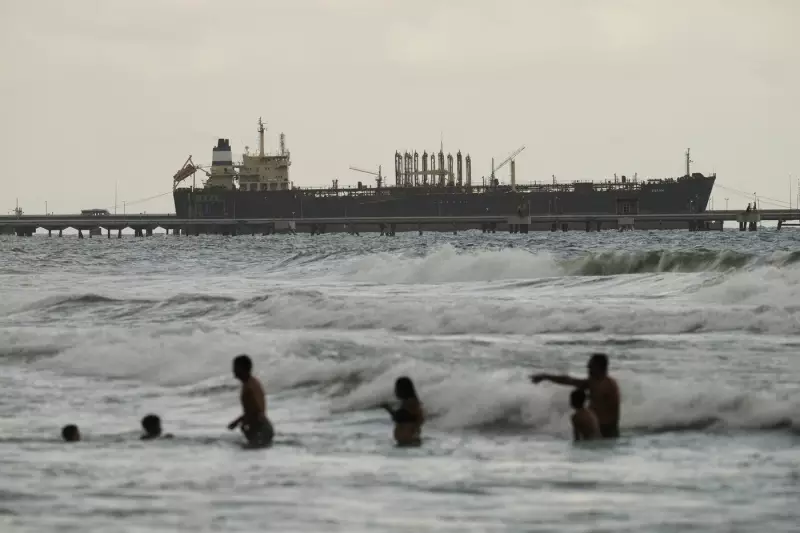
The tangible reality of this report was visible at the El Palito port in Puerto Cabello, one of Venezuela's key oil hubs. On Sunday, December 21, 2025, the oil tanker Evana was photographed docked at the port.
The image, captured by Associated Press photographer Matias Delacroix, serves as a visual anchor to the Reuters report. While the specific activity of the Evana was not detailed in the brief, its presence at a major oil port during this period of reported export cuts and storage overflow is telling.
Implications for Markets and Geopolitics
The buildup of residual fuel has several immediate consequences:
- Operational Strain: Full storage tanks can force refineries to slow down or halt production, creating a ripple effect through the entire supply chain.
- Financial Pressure: With exports minimized, a vital stream of revenue for the Venezuelan government is constricted.
- Market Dynamics: While residual fuel is a specific product, any significant shift in supply from a major holder of oil reserves can influence global energy market sentiments and related commodity prices.
The reasons behind the export cuts were not elaborated in the initial report. Analysts suggest potential causes could range from maintenance issues and sanctions enforcement to strategic decisions or a lack of viable shipping options due to insurance and certification problems.
This development underscores the fragile state of Venezuela's oil industry, once a powerhouse of global energy. The sight of filled storage tanks, paradoxically, signals a system under severe strain rather than one of abundance. The international community and energy markets will be watching closely for signs of a resolution or further deterioration in this situation.