

Lebanon Rejects Involvement in Iran Conflict Amid Regional Tensions
Lebanese Prime Minister Nawaf Salam declared on Saturday that his country refuses to be dragged into war, following coordinated strikes by Israel and the United States against Iran. The statement comes amid escalating regional hostilities that have raised concerns about Lebanon's potential entanglement through the Iran-backed militant group Hezbollah.
Diplomatic Efforts to Shield Lebanon
Prime Minister Salam emphasized Lebanon's commitment to avoiding conflict through diplomatic channels. "I reiterate that we will not accept anyone dragging the country into adventures that threaten its security and unity," Salam stated on social media platform X. He further urged all Lebanese citizens to "act with wisdom and patriotism, placing Lebanon and the Lebanese people's interests above any other consideration."
Throughout Saturday, Salam confirmed that his government was actively engaged in diplomatic contacts to prevent any "repercussions" of the conflict from affecting Lebanon. These efforts underscore the fragile political landscape as regional powers exchange military actions.

Hezbollah's Potential Role and Israeli Strikes
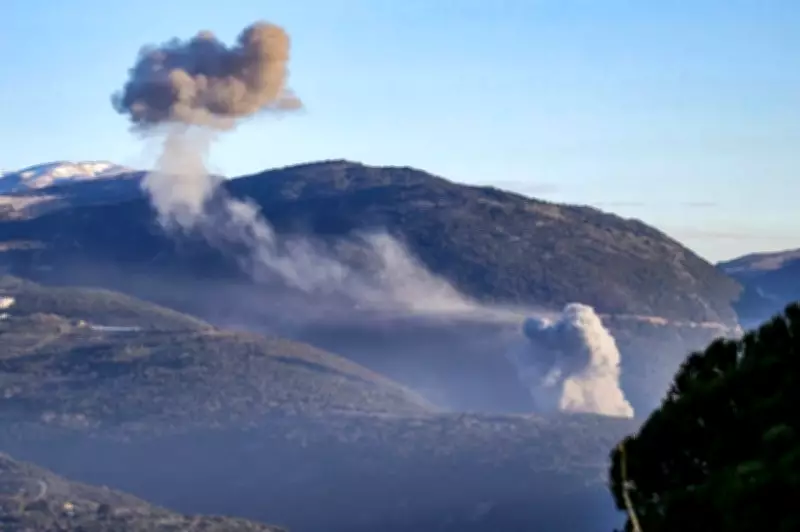
Authorities express significant concern that Hezbollah, the powerful Lebanese militant organization backed by Iran, could become involved in the conflict. This apprehension intensified when Israel announced strikes on Hezbollah infrastructure in southern Lebanon just before the broader operation against Iran began.
Lebanon's state-run National News Agency reported that Israeli strikes targeted mountainous areas where Hezbollah maintains a strong presence. Despite these developments, a Hezbollah official previously indicated that the group would not intervene militarily in response to "limited" U.S. strikes on Iran, though any attack against Iran's supreme leader Ayatollah Ali Khamenei would be considered a "red line."
Regional Military Exchanges and Lebanese Response
The conflict saw the United States and Israel bomb Iran on Saturday, prompting Tehran to respond with missile attacks targeting Israel and several Gulf countries hosting U.S. bases or forces. In response to these developments, the Lebanese foreign ministry condemned the "Iranian attacks" on Gulf nations.
President Joseph Aoun reinforced the government's position, stating that "sparing Lebanon the disasters and horrors of external conflicts, and preserving its sovereignty, security and stability, are an absolute priority." This sentiment was echoed by United Nations special coordinator for Lebanon Jeanine Hennis-Plasschaert, who urged all parties in Lebanon to "prioritize, in words and actions, the need to shield the country and its people from unfolding regional developments."
Economic and Logistical Impacts
The escalating tensions have already affected regional travel, with many airlines canceling flights to Middle Eastern airports, including Beirut. However, Prime Minister Salam assured the public that Beirut's "airport remains open" and that "the national carrier's flights are continuing."
Lebanon's foreign minister previously expressed concerns that Israeli attacks on civilian infrastructure could occur if Hezbollah—which retains an arsenal of ballistic missiles—became involved in the U.S.-Iran conflict. These fears highlight the delicate balance Lebanon must maintain as it navigates the complex geopolitical landscape.
Hezbollah leader Naim Qassem was scheduled to deliver a speech on Saturday, but it was postponed due to "recent developments," adding to the uncertainty surrounding the group's potential actions. As diplomatic efforts continue, Lebanon remains focused on protecting its sovereignty and preventing further regional escalation.






