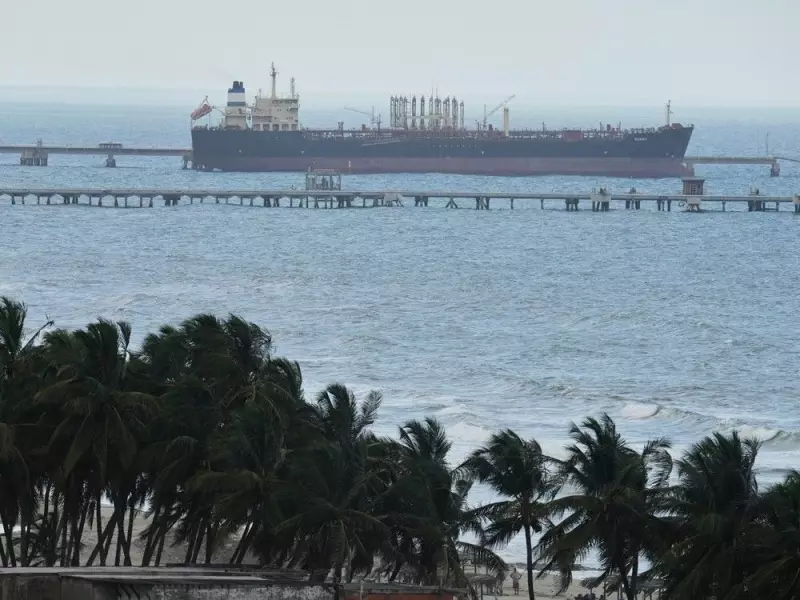
The recent capture of Venezuelan leader Nicolás Maduro by U.S. military forces in Caracas has triggered intense planning for a political transition in Washington. While the United States eyes the strategic prize of revitalizing one of the world's largest oil reserves, analysts warn the ripple effects could deliver a significant blow to Canada's energy sector and its economic landscape.
Heavy Crude Competition and Price Pressures
For Canada, traditionally America's closest ally and largest foreign oil supplier, the situation presents a paradox. Both nations compete directly in the heavy-oil market. A revival of Venezuelan production, even a modest one following the potential lifting of U.S. sanctions, could have outsized effects on global prices.
American refineries along the Gulf Coast and in the Midwest are specifically engineered to process heavy crude. For years, they have relied on supplies from Venezuela, Mexico, and Canada's oilsands. An influx of new Venezuelan barrels would increase competition for this refining capacity.

The likely result? A downward pressure on the price premium currently commanded by Canadian heavy crude blends like Western Canadian Select. While U.S. refiners would welcome cheaper feedstock, Canadian producers could face squeezed margins, making an already volatile and high-cost operating environment even more challenging.
Capital Flight and the Oilsands' Future
The impact extends beyond mere barrel-to-barrel competition into the critical realm of investment. Global capital flows in the energy sector are increasingly dictated by climate policies, transition risks, and geopolitical calculations.
A perceived opening in Venezuela, with its vast and cheaper-to-access reserves, could redirect international investment away from Alberta's oilsands. Investors seeking short-term gains in a market perceived to be in long-term decline might find the Venezuelan opportunity, despite its inherent risks, more appealing.
This potential shift in capital could further undermine the fragile prospects for new oilsands expansion projects. It also raises questions about the economic justification for additional pipeline infrastructure aimed at boosting Canadian exports, particularly to the West Coast.
Broader Implications for Canada
The consequences of a Venezuelan oil resurgence would reverberate far beyond Alberta's borders, subtly increasing American leverage over Canada. Lower prices for Canadian crude would have direct implications for provincial revenues, national trade balances, and long-standing political debates about the country's energy future and environmental commitments.
The event underscores the interconnectedness and vulnerability of global energy markets. As Washington actively plans for a post-Maduro Venezuela in early 2026, Canadian policymakers and energy leaders are being forced to confront a new potential reality where a revived competitor directly challenges a cornerstone of the national economy.