

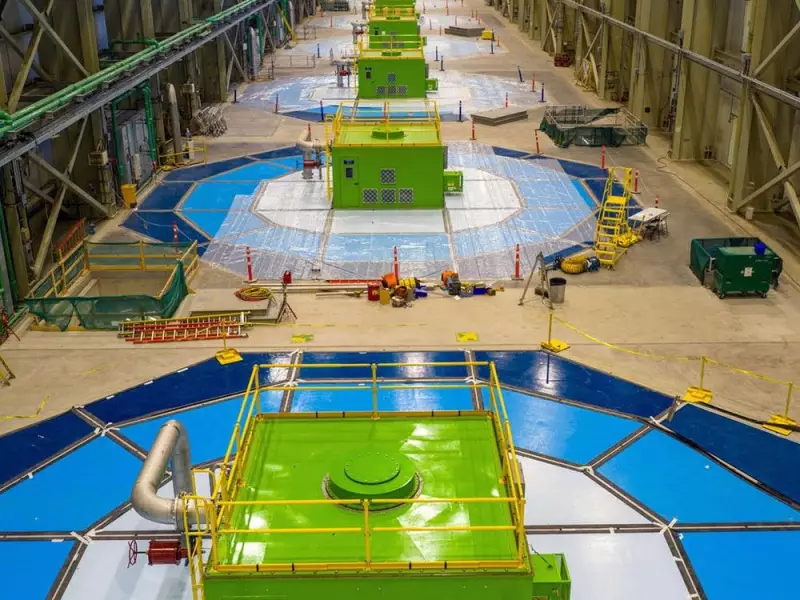
The B.C. Utilities Commission is holding B.C. Hydro's feet to the fire, demanding proof that the utility has genuinely learned from the massive cost overruns and delays that plagued the Site C dam project.
A 250-Page Report Under Scrutiny
Commission staff recently issued a pointed letter to the Crown corporation, posing roughly 100 detailed questions. This interrogation directly challenges the substance of Hydro's own 250-page "lessons learned" report on the Site C project. The commission suggests the document largely served as an exercise in making excuses and avoiding blame for the hydroelectric dam, which was completed this fall one year behind schedule and a staggering $8 billion over its original budget.
While B.C. Hydro claimed to have identified 29 key lessons from its internal review, the commission is focused on practical application. Its central query: how many of these lessons are being actively implemented in Hydro's next major undertaking, the $6 billion North Coast transmission line project?

Geotechnical Warnings Ignored at Great Cost
A primary area of concern involves how Hydro handled known geotechnical risks. The commission revealed that Hydro had identified potential stability issues on both banks of the Peace River near the Site C site well before construction began in 2015. At the time, the utility assessed these as low-probability risks, while acknowledging they would have high consequences if they materialized.
When those exact risks did materialize, the necessary fixes contributed to approximately $2 billion in overruns, expenses that were not covered by the project's contingency fund. The commission is now demanding clarity on accountability, asking Hydro to identify who within the organization is responsible for ensuring governing bodies fully understand these "low-probability, high-consequence" risks.
Furthermore, the regulator wants to know how Hydro decides whether such a risk should be factored into a project's contingency budget and who makes that final call. Looking ahead to the North Coast line, the commission explicitly asked if the communication of similar risks to oversight bodies will be handled differently than it was for Site C.
Questioning the COVID-19 Cost Attribution
The commission is also scrutinizing Hydro's attribution of $1.6 billion of the Site C overrun to the COVID-19 pandemic. It has requested a detailed breakdown of that figure and an explanation for why each specific cost impact would not have occurred without the pandemic. This line of questioning suggests skepticism about whether the pandemic is being used as a catch-all justification for broader management or planning failures.
In its report, Hydro credited a commercial contract management team, established in the final year of former Premier John Horgan's tenure, with delivering significant improvements in project oversight. However, the commission's extensive questioning indicates that regulators remain unconvinced that systemic issues have been resolved. The outcome of this scrutiny could have major implications for the financial oversight and transparency of British Columbia's next generation of public infrastructure megaprojects.






