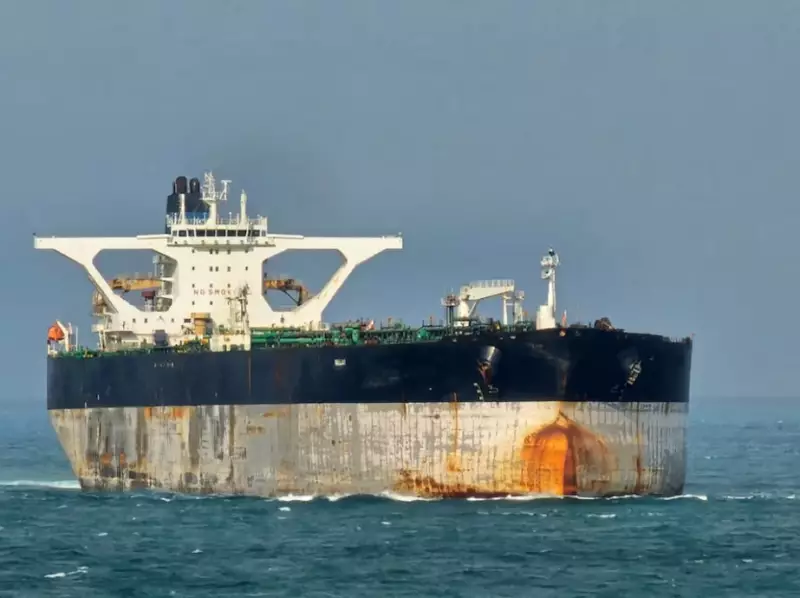
The United States has taken a decisive step to tighten its grip on global Venezuelan oil flows, seizing a sanctioned oil tanker linked to the South American nation in the Atlantic Ocean. This action, confirmed on January 7, 2026, is part of a broader strategy that U.S. Energy Secretary Jennifer Granholm says will continue "indefinitely."
A Strategic Seizure in Atlantic Waters
The targeted vessel was originally sanctioned by U.S. authorities back in 2024. Its recent interception and seizure represent a tangible enforcement of those sanctions, physically preventing the cargo from reaching the global market. While the exact location and destination of the tanker at the time of seizure were not detailed in the initial report, the operation underscores Washington's commitment to using maritime interdiction as a tool of foreign and economic policy.
This move goes beyond a single ship. It is a clear signal to the international shipping and trading community that the U.S. is prepared to actively disrupt the sale and transport of Venezuelan crude oil on a worldwide scale. The Biden administration's approach aims to exert maximum pressure on the government of Nicolás Maduro by strangling its primary source of revenue.

The Policy of 'Indefinite' Control
The seizure was framed by a significant policy statement from U.S. Energy Secretary Jennifer Granholm. She explicitly stated that the United States intends to control Venezuelan oil sales "indefinitely." This language marks a shift from temporary sanctions or conditional measures to a declared long-term strategy of dominance over a key segment of global energy exports.
This policy aims to achieve multiple objectives: depriving the Maduro regime of funds, influencing global oil prices by controlling supply, and re-routing profit streams. The ultimate goal appears to be leveraging control over Venezuela's vast oil reserves—the largest in the world—as a persistent instrument of geopolitical power.
Reactions and Global Implications
The aggressive U.S. stance has not gone unnoticed by international observers. A former Canadian envoy criticized Ottawa's response, accusing it of "parroting" what was described as former U.S. President Donald Trump's anti-democratic approach to Venezuela. This highlights the diplomatic tightrope allied nations like Canada must walk, balancing support for a key ally with independent foreign policy principles.
For global energy markets, the U.S. vow of indefinite control introduces a new layer of volatility and risk. Traders, insurers, and shipping companies must now navigate the heightened threat of asset seizures anywhere in the world. This action could also push other major powers, including China and Russia, who have interests in Venezuelan oil, to develop countermeasures, potentially escalating into a broader energy conflict.
The seizure of the tanker on January 7, 2026, is more than an isolated enforcement action; it is the practical application of a declared, open-ended U.S. campaign to commandeer a sovereign nation's primary economic resource. The repercussions for international law, energy security, and diplomatic relations are likely to unfold for years to come.