

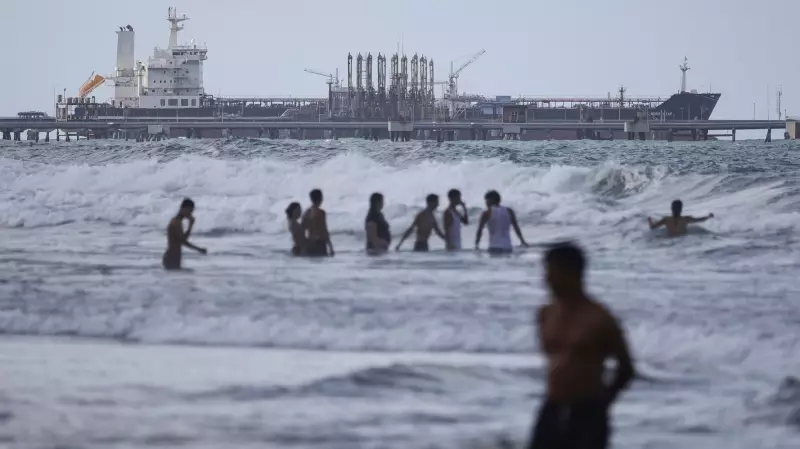
In a significant escalation of pressure on the government of Nicolás Maduro, United States forces have interdicted and seized a vessel off the coast of Venezuela in international waters. The operation, confirmed by three U.S. officials to Reuters on Saturday, December 20, marks the second such seizure in recent weeks and follows President Donald Trump's declaration of a "total and complete blockade" on all sanctioned oil tankers entering and leaving the South American nation.
Military Buildup and Anonymous Confirmation
The officials, speaking on condition of anonymity, disclosed that the U.S. Coast Guard is leading the operation. They did not specify the exact location of the seizure. This action is part of a notable U.S. military buildup in the Caribbean region. The Pentagon and Coast Guard directed inquiries to the White House, which did not immediately comment. Venezuela's oil ministry and its state oil company, PDVSA, also did not respond to requests for comment.
President Trump's forceful announcement came on Tuesday, December 17, when he stated, "I am ordering A TOTAL AND COMPLETE BLOCKADE OF ALL SANCTIONED OIL TANKERS going into, and out of, Venezuela." His administration has justified the increased naval presence as part of efforts to combat drug cartels, but the moves are widely seen as part of a campaign to oust Maduro and curb the influence of allies like Russia and Iran.

Immediate Impact on Oil Exports and Global Markets
The enforcement of this blockade has had an immediate and chilling effect. Since the first tanker seizure last week, an effective embargo has taken hold, with loaded vessels carrying millions of barrels of oil opting to remain in Venezuelan waters to avoid capture. As a result, Venezuelan crude exports have plummeted.
This disruption poses a potential threat to global oil prices. Analysts note that China is the largest buyer of Venezuelan crude, accounting for roughly 4% of its imports. December shipments were on track to average over 600,000 barrels per day. If the blockade persists, the loss of nearly a million barrels per day of supply could push oil prices upward, despite a currently well-supplied market with ample reserves waiting off China's coast.
The situation is complex because not all vessels transporting Venezuelan oil are under sanction. Some companies, including U.S.-based Chevron, use authorized ships. However, since the U.S. imposed energy sanctions on Venezuela in 2019, a "shadow fleet" of tankers—often disguising their location or already sanctioned for moving Iranian or Russian oil—has become a common tool for traders and refiners.
A Broader Campaign of Pressure
Trump's pressure campaign extends beyond interdictions at sea. It includes a ramped-up military presence and more than two dozen military strikes on vessels in the Pacific Ocean and Caribbean Sea near Venezuela, which have resulted in at least 100 fatalities. The President has also indicated that U.S. land strikes on Venezuela could commence soon.
Venezuelan President Nicolás Maduro has consistently alleged that the U.S. military actions are aimed at overthrowing his government to gain control of the country's vast oil resources, which are the largest proven crude reserves in the world. The latest seizure off Venezuela's coast underscores the deepening confrontation and its growing ramifications for international trade and energy security.






