




Trump Administration Pays $1B to Cancel Offshore Wind Leases, Funds Fossil Fuels
US Pays $1B to Cancel Offshore Wind, Funds Fossil Fuels

The Trump administration has committed to paying the French energy giant TotalEnergies a staggering $1 billion to relinquish its leases for two significant offshore wind projects located off the coasts of North Carolina and New York. This substantial refund, announced by the Department of the Interior on Monday, effectively terminates the development of these renewable energy ventures, with the funds being redirected toward fossil fuel infrastructure instead.

A Strategic Shift Away from Offshore Wind

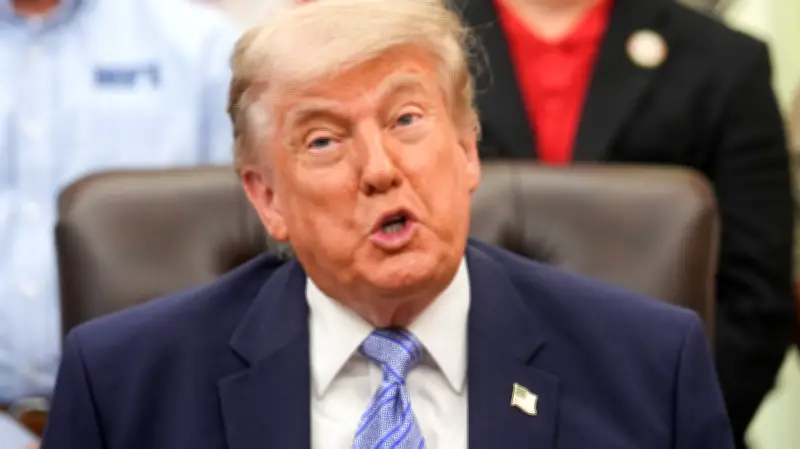
This agreement represents a calculated escalation in the administration's broader campaign against offshore wind and other renewable energy sources. President Donald Trump has consistently championed fossil fuels, asserting they are essential for reducing consumer costs, enhancing grid reliability, and maintaining United States leadership in sectors like artificial intelligence. The deal with TotalEnergies serves as a tangible manifestation of this policy direction.

TotalEnergies' Pivot and Statement

TotalEnergies had already suspended work on both projects following Trump's election. In a formal statement, CEO Patrick Pouyanné declared the company is renouncing all future offshore wind development in the United States in exchange for the reimbursement of its lease fees. Pouyanné argued that offshore wind development is "not in the country’s interest" and stated the refunded capital would be a "more efficient use of capital" domestically.

Wide Pickt banner — collaborative shopping lists app for Telegram, phone mockup with grocery list

The company plans to invest the returned funds into constructing a liquefied natural gas plant in Texas and expanding its existing oil and gas operations. According to the Department of the Interior, TotalEnergies will be reimbursed up to the full amount it paid for the offshore wind leases after it completes these fossil fuel investments.

Administration and Environmental Reactions

Interior Secretary Doug Burgum praised the move, stating, "We welcome TotalEnergies’ commitment to developing projects that produce dependable, affordable power to lower Americans’ monthly bills while providing secure U.S. baseload power today — and in the future."

Conversely, environmental organizations have vehemently denounced the settlement. The Natural Resources Defense Council labeled it reckless for halting projects designed to lower energy costs. Ted Kelly, clean energy director at the Environmental Defense Fund, criticized the deal as "an outrageous misuse of taxpayer dollars to prevent Americans from having clean, affordable power exactly when they need it most."

Context of Legal and Market Battles

This financial settlement emerges against a backdrop of ongoing legal and policy conflicts over offshore wind. The Trump administration previously attempted to halt construction on five major East Coast projects days before Christmas, citing national security concerns. However, federal judges overturned those orders after developers and states sued, allowing all projects to resume construction.

In a contrasting development on the same Monday as the TotalEnergies announcement, the Coastal Virginia Offshore Wind farm—one of the projects previously targeted by the administration—began delivering power to Virginia's grid, a milestone announced by developer Dominion Energy.

Details of the Canceled Projects

The scope of the abandoned wind projects was substantial:

  • Carolina Long Bay Project: TotalEnergies purchased this lease in 2022 for approximately $133,000. It was projected to generate over 1 gigawatt of power, sufficient for about 300,000 homes.
  • New York/New Jersey Project: Acquired in 2022 for $795,000, this larger-scale venture had the potential to produce 3 gigawatts of clean energy, nearly enough to power one million households.

This decision starkly contrasts with the global trend, where the offshore wind market is expanding rapidly, led by new installations in China, and the previous Biden administration's efforts to ramp up offshore wind as a critical climate change solution.

Pickt after-article banner — collaborative shopping lists app with family illustration