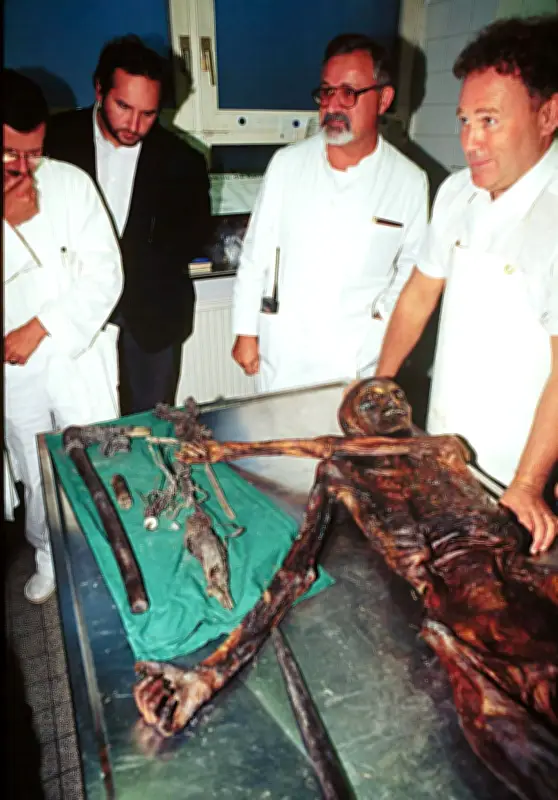
Scientists have made a remarkable discovery by finding yeast in the gut of the 5,300-year-old Iceman Oetzi, and they have used it to bake bread. This finding provides a unique glimpse into the diet and lifestyle of ancient humans.
The Discovery
The yeast was found in the intestinal tract of Oetzi, who was discovered in 1991 on the Similaun glacier in the Alps. Researchers extracted the yeast and successfully cultured it in a laboratory setting.
Baking Ancient Bread
Using the ancient yeast, scientists were able to bake a loaf of bread. The process involved combining the yeast with modern flour and water, allowing it to ferment and rise. The resulting bread was described as having a distinct flavor, different from modern breads.

This experiment not only demonstrates the viability of ancient microorganisms but also offers insights into the types of food that may have been consumed during the Copper Age. The yeast likely originated from fermented beverages or bread that Oetzi consumed before his death.
Implications for Archaeology
The discovery of viable yeast in such an ancient context is rare and provides a direct link to past dietary practices. It also opens up possibilities for studying other ancient microbiomes and their potential applications in modern food production.
Researchers emphasize that this finding underscores the importance of preserving archaeological remains, as they can yield unexpected scientific insights. The bread made from the ancient yeast serves as a tangible connection to the past, allowing people to taste a piece of history.