Eric Nuttall, partner and senior portfolio manager at Ninepoint Partners, has issued a stark warning that the United States is within "weeks" of experiencing significant oil shortages if the ongoing war in Iran continues. The conflict, which involves the U.S., Israel, and Iran, entered its second month this week, with the critical Strait of Hormuz—one of the world's busiest oil shipping channels—remaining closed.
Global Energy Crisis Intensifies
Nuttall described the situation as "the worst energy crisis of our lifetimes," emphasizing that the closure of the Strait of Hormuz was an unforeseen event with profound implications for global energy flows. He noted that the global oil market has already lost over 11 million barrels per day of production due to the conflict, with inventories plummeting by more than 300 million barrels. Additionally, liquified natural gas flows have decreased by 20 percent.
Immediate and Future Impacts
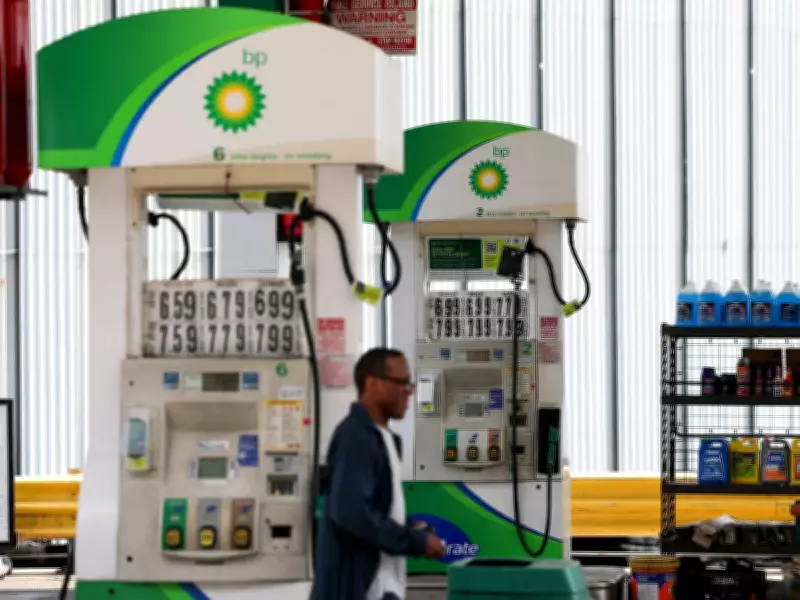
The immediate effects are being felt at gas pumps, where prices are steadily climbing, and airlines are beginning to implement surcharges. However, Nuttall cautioned that "the worst is yet to be felt." He projected that within the next month, the world will approach a scenario requiring a reduction of 10 million barrels per day in demand through high oil prices, likening it to "COVID inverted."

"Inevitably, you will need demand destruction because we're eventually reaching a point where irrespective of price, you will not be able to fly. You will not be able to fill up your fishing boat," Nuttall stated in an interview with the Financial Post's Larysa Harapyn. He stressed that the gravity of the situation is "too big" for any public policy to mitigate effectively.
Challenges Beyond Reopening
Even if traffic resumes through the Strait of Hormuz, challenges will persist. Nuttall highlighted the need to replace depleted inventories and the significant risk of reservoir damage and long-term output issues from production shut-ins. For instance, in Iraq, which has shut in over 3.5 million barrels per day, speculation suggests that up to a million barrels may be subject to reservoir damage.
Potential Solutions and Canadian Role
Nuttall pointed to Canada as a potential source of increased output, suggesting short-term fixes like expanding existing export capacity and twinning pipelines. However, he argued that a new federally funded oil pipeline is ultimately necessary, stating, "There's no private solution for this. It's out of national necessity because we're bottlenecked." He emphasized the growing value of Canadian energy reserves in a world facing oil shortages.
As the conflict continues, Nuttall warned, "It's going to be getting worse by the day. We really, really do need the Strait opened up and we need it opened up now." The situation underscores the urgent need for resolution to prevent further economic and energy disruptions globally.