

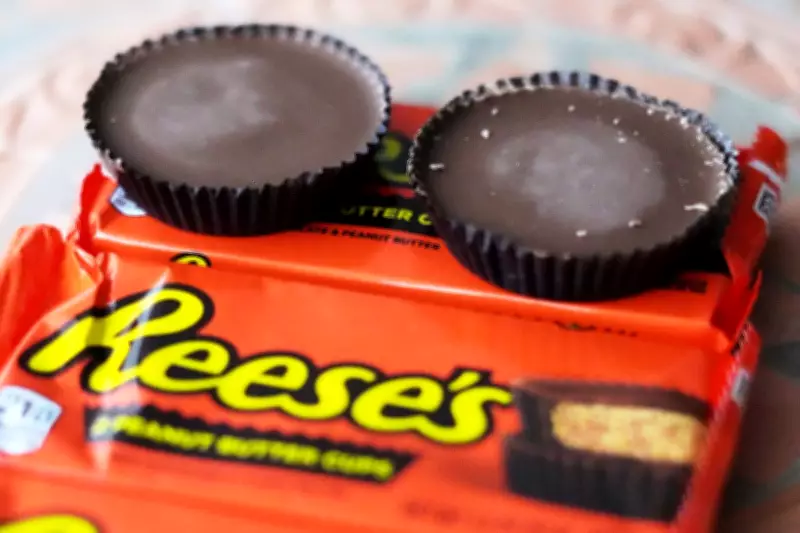
Hershey Announces Return to Original Recipe for All Reese's Products
In a significant reversal, The Hershey Company has confirmed it will shift all Reese's Peanut Butter Cups and related products back to their classic recipe. This decision comes after months of mounting criticism from consumers who expressed dissatisfaction with recent formula alterations. The company stated the change aims to address feedback and reaffirm its commitment to quality.
Background of the Controversy
The controversy began earlier this year when Hershey introduced subtle modifications to the Reese's formula, reportedly to align with evolving sourcing or production efficiencies. However, loyal customers quickly noticed differences in taste and texture, sparking widespread complaints across social media platforms and consumer forums. Many described the new version as less creamy or overly sweet compared to the beloved original.
Hershey's initial response was measured, but as negative sentiment grew, the company faced increasing pressure to reconsider. Industry analysts noted that Reese's is one of Hershey's flagship brands, contributing substantially to its annual revenue, making consumer satisfaction paramount.

Official Statement and Implementation
In an official announcement, Hershey acknowledged the feedback and emphasized its dedication to meeting consumer expectations. "We have listened carefully to our customers," a company spokesperson said. "While we continuously explore improvements, we recognize the deep attachment many have to the classic Reese's taste. Therefore, we are reverting to the original recipe across all Reese's products effective immediately."
The transition is expected to roll out over the coming weeks, with production lines adjusting to incorporate the classic ingredients. Hershey assured that packaging will be updated to reflect the change, though no immediate recalls are planned for existing inventory.
Consumer and Market Reactions
Early reactions from consumers have been largely positive, with many expressing relief and appreciation for Hershey's responsiveness. This move is seen as a strategic effort to rebuild trust and loyalty, especially in a competitive confectionery market where brand perception can significantly impact sales.
Market observers highlight that such reversals are rare in the food industry, where formula changes are often permanent. This case underscores the power of consumer advocacy in influencing corporate decisions, particularly for iconic brands with strong emotional connections.
Broader Implications for the Industry
The incident serves as a cautionary tale for other manufacturers considering product alterations. It illustrates the risks of tampering with established recipes without thorough consumer testing or transparent communication. Hershey's willingness to backtrack may set a precedent, encouraging greater dialogue between companies and their customer bases.
Looking ahead, Hershey plans to focus on reinforcing the classic Reese's identity through marketing campaigns that highlight its return to roots. The company remains optimistic that this decision will strengthen its market position and ensure long-term brand vitality.






