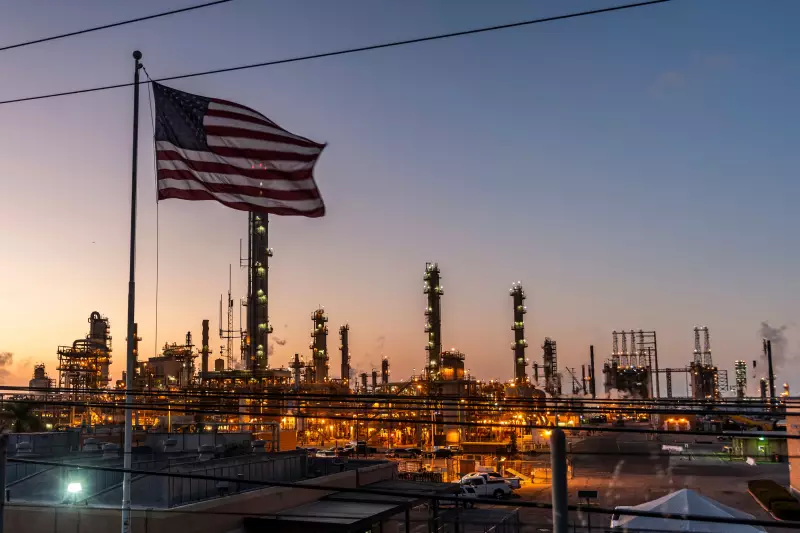
The United States set a new benchmark for domestic oil production in October 2025, according to official data released by the U.S. Energy Information Administration (EIA). This milestone underscores the continued strength and expansion of the American energy sector, even as global markets navigate a complex landscape of demand and transition pressures.
Details of the Record Output
The EIA, the statistical agency of the U.S. Department of Energy, confirmed that crude oil production reached an all-time high in October 2025. While the exact volumetric figure was detailed in the agency's report, the announcement solidifies a trend of growing output that has positioned the U.S. as the world's top oil producer. This production surge is primarily driven by prolific shale basins, including the Permian in Texas and New Mexico.
The data, made public on December 31, 2025, reflects operational activity from two months prior. Analysts point to sustained investment in drilling efficiency and technology as key factors enabling producers to achieve greater output from existing wells. This record comes amid fluctuating global oil prices and ongoing geopolitical tensions that often influence production decisions.

Implications for Markets and Policy
The record production level has immediate and long-term consequences. For global energy markets, it reinforces a significant source of supply, contributing to price stability and influencing the strategic calculations of other major producers, including OPEC+ nations. For the United States, it bolsters energy security and provides substantial economic benefits through job creation and export revenue.
However, this achievement also sits at the centre of a critical policy debate. Environmental advocates and policymakers focused on climate change argue that record fossil fuel production conflicts with international commitments to reduce greenhouse gas emissions. The tension between energy independence, economic growth, and climate goals is likely to intensify in policy discussions throughout 2026.
Context and Future Outlook
This new record continues a multi-year trend of rising U.S. output, which has reshaped global energy dynamics over the past decade. The resilience of the sector highlights its deep integration into the national economy. Looking ahead, industry observers will monitor whether production can maintain these elevated levels, as factors like infrastructure constraints, capital discipline among producers, and long-term demand forecasts come into play.
For Canada, a major energy exporter and close trading partner, U.S. production trends are of paramount importance. They directly affect cross-border trade, pipeline capacity valuations, and the competitive landscape for Canadian crude oil in the North American market. The EIA's next reports will be closely watched to see if this record is a peak or a plateau in the ongoing evolution of U.S. energy dominance.