The administration of U.S. President Donald Trump is preparing to convene with executives from major American oil corporations later this week. The critical topic: reviving Venezuela's crippled oil industry following the dramatic capture and extradition of the country's leader, Nicolás Maduro, by U.S. forces.
Contradictions and Crucial Conversations
According to a source familiar with the matter, these meetings are central to Washington's strategy of reintroducing top U.S. energy firms into Venezuela. The nation's government seized control of U.S.-led oil operations nearly two decades ago. However, this planned dialogue appears to contradict President Trump's recent claims.
The three largest U.S. oil companies—Exxon Mobil, ConocoPhillips, and Chevron—have not yet discussed Maduro's removal with the administration, according to four industry executives. This directly challenges Trump's weekend statement that he had already met with "all" such companies before and after the operation.

"Nobody in those three companies has had conversations with the White House about operating in Venezuela, pre-removal or post-removal to this point," one source stated on Monday, January 5.
Billions in Investment and Daunting Challenges
The administration's goal is to significantly increase crude oil production and exports from Venezuela, a former OPEC member holding the world's largest oil reserves. Its heavy crude is a perfect match for specially designed refineries on the U.S. Gulf Coast. White House spokesperson Taylor Rogers expressed confidence, stating, "All of our oil companies are ready and willing to make big investments in Venezuela that will rebuild their oil infrastructure, which was destroyed by the illegitimate Maduro regime."
Yet, analysts warn that achieving this vision will require years of work and billions of dollars in investment. Venezuela's output has plummeted to about one-third of its peak over the past twenty years due to severe underinvestment and international sanctions. The plans face major hurdles: decimated infrastructure, deep political uncertainty, and an unclear future legal framework.
President Trump told NBC News that the U.S. might subsidize oil companies to rebuild Venezuela's energy sector. When asked if firms were briefed ahead of the military raid, he said, "No. But we’ve been talking to the concept of, ‘what if we did it?’" He added, "The oil companies were absolutely aware that we were thinking about doing something. But we didn’t tell them we were going to do it."
Corporate Histories and Antitrust Hurdles
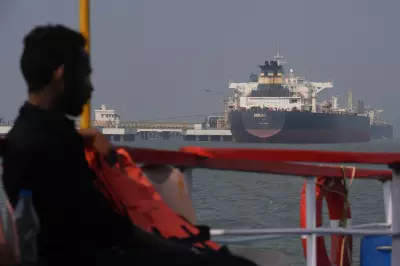
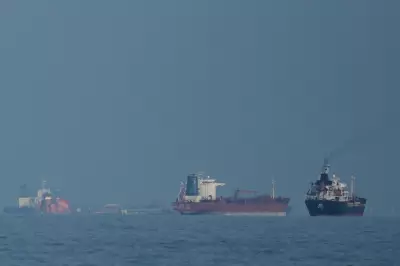
The corporate landscape in Venezuela is complex. Chevron is the only American major currently operating there, exporting roughly 150,000 barrels per day to the U.S. Gulf Coast. Exxon and ConocoPhillips have storied but contentious histories in the country; their assets were nationalized under former President Hugo Chávez.
ConocoPhillips has been seeking billions in restitution for those seized projects, while Exxon engaged in lengthy arbitration after exiting in 2007. One executive, speaking anonymously, doubted swift commitments: "I don’t think you’re going to see any company other than Chevron, who’s already there, commit to developing this resource."
Logistical challenges for the meetings also exist. An industry executive told Reuters that companies would be hesitant to discuss potential Venezuela operations in a group setting with the White House, citing antitrust concerns that limit competitors from collectively discussing investment plans and production levels.
The market reacted optimistically to the geopolitical shift. Following news of Maduro's capture, the S&P 500 energy index rose to its highest level since March 2025. Shares in Exxon Mobil increased by 2.2%, and Chevron jumped 5.1%. President Trump confirmed that a U.S. embargo on Venezuelan oil remains in full effect, even as plans for its revival move forward.