U.S. Backs South Africa Rare Earths Project Despite Diplomatic Friction
In a move highlighting the complex interplay between geopolitics and critical resource security, the United States has thrown its support behind a significant rare earths extraction initiative in South Africa. This development comes even as diplomatic relations between the two nations experience notable strain over unrelated international matters.
Strategic Minerals Trump Diplomatic Discord
The project, centered in the Phalaborwa region, aims to tap into South Africa's substantial reserves of rare earth elements. These minerals are essential components in a vast array of modern technologies, from electric vehicles and wind turbines to advanced defense systems and consumer electronics. The U.S. endorsement, confirmed in April 2026, underscores a clear prioritization of securing supply chains for these strategically vital materials, even amidst broader diplomatic disagreements.
The timing of this support is particularly noteworthy. It signals that Washington is willing to compartmentalize issues, separating strategic economic and security interests from other areas of foreign policy contention. This approach reflects the growing global scramble for reliable sources of rare earths, which are currently dominated by a limited number of producers.

Project Details and Environmental Context
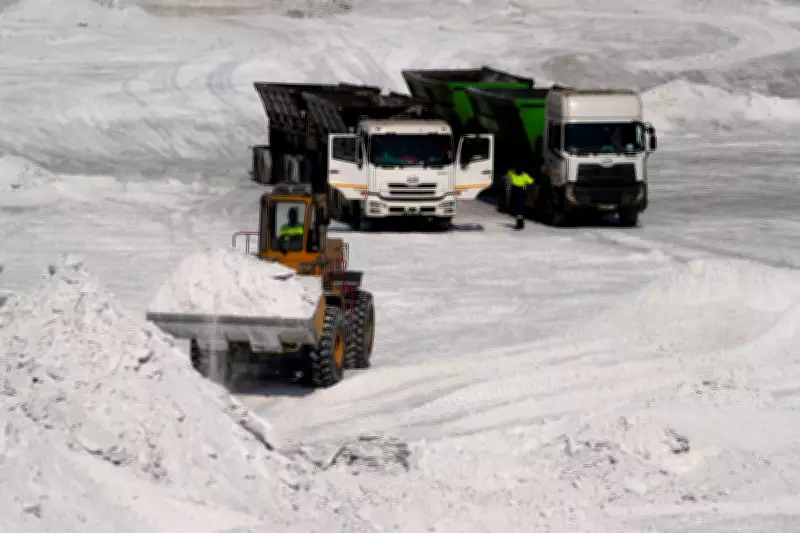
The extraction effort will involve processing phosphogypsum, a byproduct of phosphate fertilizer production, to recover valuable rare earth elements. This method represents a form of resource recovery, turning industrial waste into a source of critical minerals. The site has been operational, with imagery from September 2025 showing front-end loaders transporting the phosphogypsum material.
Environmental considerations are inevitably part of the conversation. While the project promises economic benefits and resource security, it must navigate South Africa's own environmental regulations and community concerns. The U.S. backing may involve technical cooperation or investment frameworks designed to ensure the project meets certain operational standards.
Broader Implications for Global Resource Politics
This development has several key implications:
- Supply Chain Diversification: The U.S. is actively seeking to diversify its sources of rare earths away from over-reliance on any single region or country.
- Diplomatic Pragmatism: It demonstrates a pragmatic strand in foreign policy where essential resource needs can create avenues for cooperation despite other tensions.
- Economic Opportunity for South Africa: For South Africa, the project represents a significant economic opportunity, potentially creating jobs and positioning the country as a more prominent player in the global critical minerals market.
The move is set against a backdrop of increasing global competition for resources deemed critical for the energy transition and technological advancement. While the diplomatic clash referenced remains a separate issue, the rare earths project illustrates how shared material interests can forge unexpected partnerships and influence international relations in profound ways.