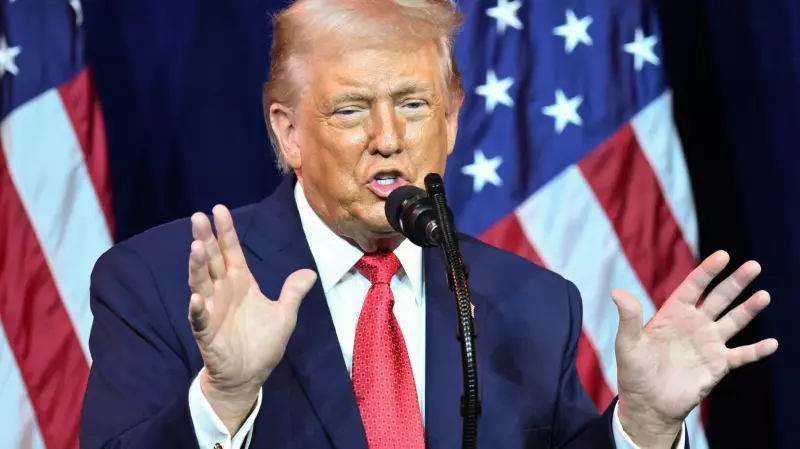
In a significant geopolitical and energy development, the United States and Venezuela have finalized an agreement for Caracas to export up to $2 billion worth of crude oil to U.S. refineries. The deal, announced by U.S. President Donald Trump on Tuesday, January 6, 2026, marks a pivotal shift in oil flows, diverting supplies away from China and providing Venezuela a financial lifeline amid a punishing U.S. blockade.
A Strategic Energy and Political Agreement
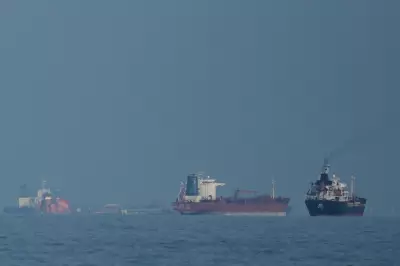
President Trump revealed the agreement in a social media post, stating that Venezuela will be "turning over" between 30 and 50 million barrels of "sanctioned oil" to the United States. He emphasized that the oil would be sold at market price, with the proceeds controlled by his administration to "benefit the people of Venezuela and the United States." U.S. Energy Secretary Chris Wright has been tasked with executing the deal, which involves taking oil from stranded tankers and sending it directly to U.S. ports.
This flagship negotiation is seen as a direct response to Trump's demands that Venezuela's government, now led by interim President Delcy Rodriguez, open its oil industry to U.S. companies or face further consequences. The deal follows a period of intense pressure that culminated over the weekend with U.S. forces capturing Venezuelan President Nicolas Maduro, an act top Venezuelan officials have denounced as a kidnapping aimed at seizing the country's vast oil reserves.

Redirecting Global Oil Flows and Market Impact
The immediate effect of the agreement will be a re-routing of Venezuelan crude originally destined for China, which has been Caracas's top oil buyer for the past decade. Two industry sources indicated that supplying the trapped crude to the U.S. would initially require reallocating these China-bound cargoes. The announcement sent U.S. crude prices down by more than 1.5% on expectations of increased supply.
Currently, the flow of Venezuelan oil to the United States is entirely controlled by Chevron under a U.S. authorization. Chevron, PDVSA's main joint venture partner, has been exporting between 100,000 and 150,000 barrels per day (bpd) without interruption. It remains unclear if Venezuela's state oil company, PDVSA, will have any access to the proceeds from this new deal, as it remains locked out of the global financial system due to sanctions.
The deal is valued at up to $1.9 billion, based on Venezuela selling its flagship Merey crude at around $22 per barrel below Brent. PDVSA has been forced to cut production due to a lack of storage space, and without an export solution, deeper cuts were imminent.
Mechanics and Future Implications
According to sources, Venezuelan and U.S. officials this week discussed sales mechanisms like auctions for U.S. buyers and issuing specific licenses to PDVSA's partners. Such licenses have previously allowed companies like Chevron, India's Reliance, and China's CNPC to access Venezuelan oil. Some partners have already begun preparations to receive cargoes again.
One source also revealed that the two governments discussed the potential future use of Venezuelan oil in the U.S. Strategic Petroleum Reserve. U.S. Interior Secretary Doug Burgum hailed the prospect of increased heavy oil flows to Gulf Coast refineries as "great news" for U.S. job security and future gasoline prices, and a chance for Venezuela to rebuild with American technology and partnership.
The agreement represents a dramatic realignment of energy ties, offering Venezuela a crucial economic outlet while advancing U.S. strategic interests by pulling Caracas away from Chinese dependence and bolstering domestic energy security.