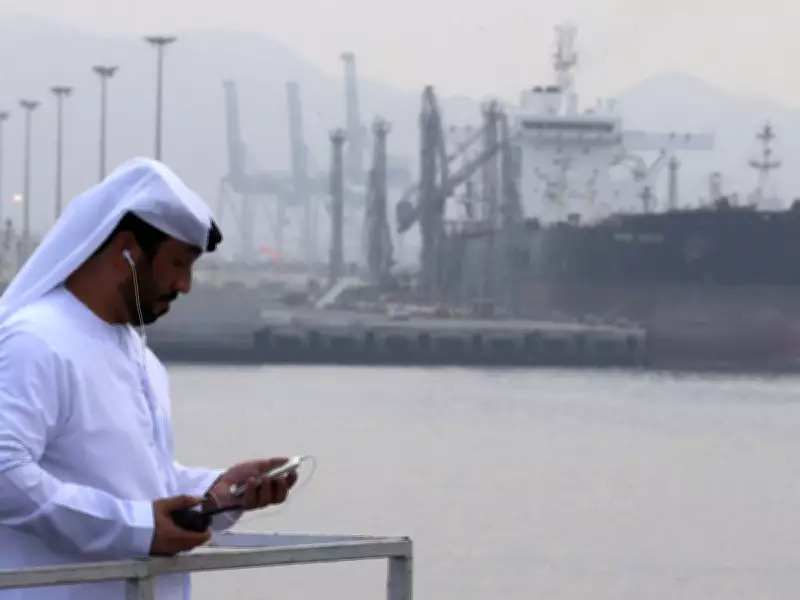
The United Arab Emirates has decided to leave the OPEC and OPEC+ oil producer groups as it plans a strategic realignment in the wake of the Iran war. The UAE's exit on May 1 will help it meet changing demand, the Energy Ministry said in a statement on Tuesday, adding that the country will gradually ramp up production.
Background of the Decision
Abu Dhabi's desire to deploy new production capacity has brought it into conflict with regional rival Saudi Arabia at OPEC meetings in recent years. Tensions have also flared intermittently as the two jostle for regional sway. Earlier this year, Saudi Arabia moved to rein in growing Emirati influence as the two countries backed opposing factions in the war in Yemen.
Historical Context
Disagreements over oil issues have brought Abu Dhabi to the brink of quitting OPEC before, though it never followed through. This time, the decision is final, marking a significant shift in the global oil landscape.

The UAE's oil terminal of Fujairah will play a key role in the country's increased production plans. The move is expected to reshape dynamics within the oil cartel and could influence global oil prices.