

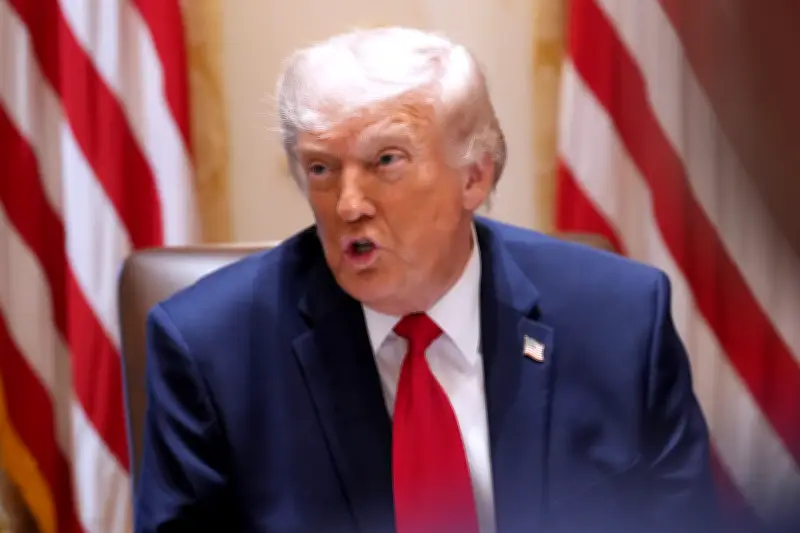
U.S. President Donald Trump has signed a proclamation amending tariffs on imports of steel, aluminum, and copper, according to a report from Reuters. The move, announced on June 1, 2026, marks a significant shift in trade policy that could have far-reaching implications for global markets and international relations.
Details of the Proclamation
The proclamation adjusts existing tariff rates and may introduce new exemptions or restrictions on certain products. While specific changes were not immediately detailed, the amendment is expected to affect key industries and trading partners. The White House has indicated that the decision aims to protect domestic manufacturing and national security interests.
Market Reactions
Financial markets responded cautiously to the news. Basic materials stocks on the Toronto Stock Exchange weighed on the index, while U.S. markets saw gains amid rising oil prices. Analysts are closely monitoring the impact on industries such as automotive, construction, and aerospace, which rely heavily on these metals.

International Response
Trade partners, including Canada and the European Union, are expected to react to the amended tariffs. The proclamation could escalate existing trade tensions or prompt negotiations for new agreements. The Trump administration has previously used tariff adjustments as leverage in trade disputes.
Broader Economic Context
The tariff amendment comes amid ongoing discussions about global trade imbalances and domestic economic recovery. President Trump has emphasized the need to protect American workers and industries from what he describes as unfair foreign competition. Critics argue that such measures could lead to higher costs for consumers and retaliatory tariffs from other nations.
As the situation develops, businesses and governments worldwide will be assessing the implications of the new tariff structure. The proclamation is set to take effect in the coming weeks, with full details expected to be published in the Federal Register.






