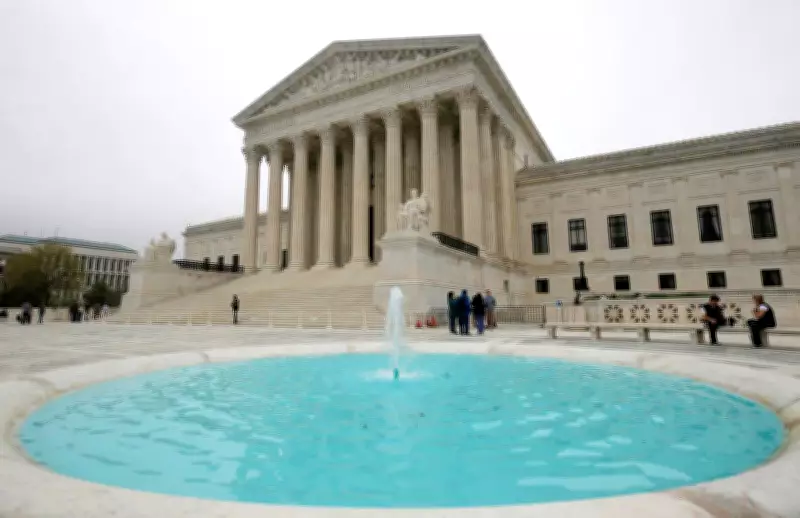
U.S. Supreme Court Rules for Michigan in Pipeline Shutdown Case
The U.S. Supreme Court has delivered a landmark decision, siding with the state of Michigan in its ongoing legal battle to decommission an aging energy pipeline. This ruling, issued on April 22, 2026, represents a pivotal moment in the intersection of environmental policy, state rights, and energy infrastructure management.
Legal Victory for Environmental and State Interests
In a unanimous or majority opinion, the court upheld Michigan's authority to pursue the shutdown of the pipeline, which has been operational for decades and is considered by state officials to pose significant environmental risks. The decision reinforces the ability of states to regulate energy projects within their borders, particularly when aging infrastructure raises concerns about safety and ecological impact.
The pipeline in question, which traverses critical waterways and natural habitats, has been a focal point of contention between Michigan and the pipeline operators. State advocates argued that continued operation could lead to potential leaks or failures, threatening local ecosystems and water supplies. The Supreme Court's ruling validates these concerns, emphasizing the precedence of state-led environmental protections over federal or corporate interests in such cases.

Implications for Energy Policy and Infrastructure
This decision is expected to have far-reaching consequences for the energy sector across the United States. It sets a legal precedent that may empower other states to take similar actions against outdated or hazardous energy infrastructure, potentially accelerating the transition to newer, safer technologies. Industry analysts note that the ruling could spur investments in renewable energy sources and modern pipeline systems, as companies seek to avoid similar legal challenges.
Moreover, the case highlights the growing tension between economic development and environmental stewardship. With climate change and sustainability becoming central to public discourse, the Supreme Court's stance signals a judicial shift towards supporting proactive measures to mitigate environmental harm. This aligns with broader trends in U.S. policy, where courts are increasingly called upon to adjudicate disputes involving natural resources and long-term ecological health.
Reactions and Next Steps
Following the ruling, Michigan officials expressed relief and determination to proceed with the pipeline's shutdown process. Governor Gretchen Whitmer stated, "This victory affirms our commitment to protecting Michigan's precious natural resources and ensuring the safety of our communities." Conversely, pipeline operators and some industry groups have voiced disappointment, warning that the decision could disrupt energy supplies and increase costs for consumers.
Legal experts predict that the case may lead to further litigation or legislative efforts at the federal level to clarify the balance between state and federal jurisdiction over energy projects. In the meantime, Michigan is expected to move forward with decommissioning plans, which could involve:
- Conducting environmental assessments to minimize disruption during shutdown.
- Collaborating with federal agencies to ensure compliance with national regulations.
- Exploring alternative energy solutions to replace the pipeline's capacity.
As the nation watches, this ruling underscores the evolving landscape of energy law and the critical role of the judiciary in shaping environmental policy. It serves as a reminder that in an era of rapid technological change and ecological awareness, legal frameworks must adapt to address the challenges of aging infrastructure and sustainable development.