SAGA Metals Radar Project Gains Strategic Importance for North American Titanium and Vanadium Supply Chains
Amid heightened national defense priorities and critical minerals focus across North America, SAGA Metals Corp. has highlighted the strategic relevance of its Radar Critical Minerals Project in Labrador, Canada. The company emphasizes the project's potential to contribute to secure domestic supply chains for titanium and vanadium, two minerals recognized as critical by both U.S. and Canadian governments.
Drilling Results Confirm Mineralization Consistency
SAGA Metals has completed its maiden mineral resource estimate drill program with significant results. The company confirmed mineralization in all 31 drill holes with consistent grades and thicknesses, with assays reporting up to 64.55% Fe2O3, 13.3% TiO2, and 0.66% V2O5. Recent drilling at the Trapper South Zone yielded notable intercepts including Hole R-0016 with 50.60 meters at 52.05% Fe₂O₃, 7.21% TiO₂, and 0.375% V₂O₅, and Hole R-0017 with 90.01 meters at 51.86% Fe₂O₃, 6.76% TiO₂, and 0.417% V₂O₅.
Strategic Context of Critical Minerals
The announcement comes against a backdrop of increasing North American focus on securing domestic and allied supply chains for minerals essential to aerospace, defense, and advanced industrial applications. Both the United States and Canada have identified titanium and vanadium as critical minerals in their national policies, with the Canada-U.S. Joint Action Plan on Critical Minerals specifically aimed at securing supply chains for strategic manufacturing sectors including aerospace and defense.

Michael Stier, CEO of SAGA Metals, stated: "Radar is being advanced against a backdrop of growing strategic focus on North American critical mineral security. Titanium and vanadium are increasingly recognized for their relevance to aerospace, defense and high-performance industrial applications. As we continue to define the scale and continuity of mineralization at Radar, we believe the project has the potential to become an important Canadian exploration story tied to the long-term need for secure North American supply of these critical defense metals."
Defense Applications and Supply Concerns
Titanium represents a crucial raw material for military aircraft construction, offering exceptional properties including:
- High strength-to-weight ratio
- Superior strength at elevated temperatures
- Excellent corrosion resistance
- Outstanding thermal stability
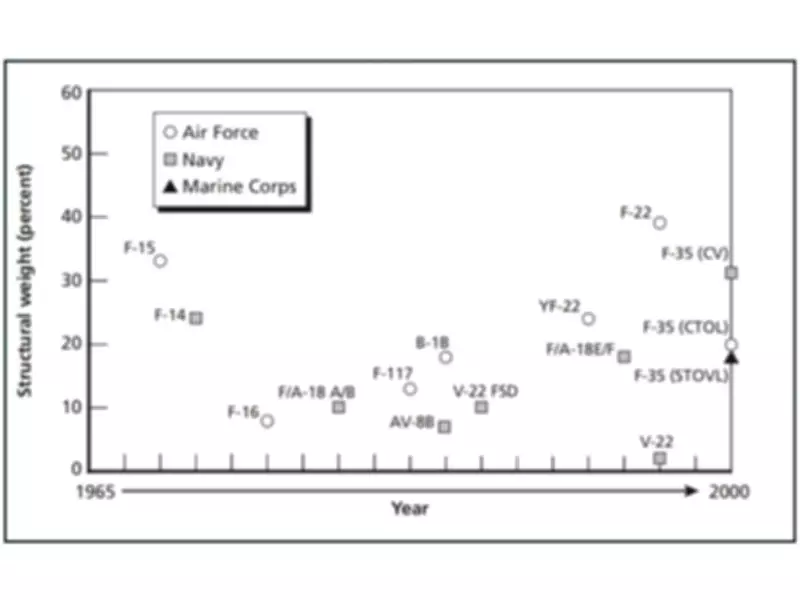
These characteristics make titanium ideal for airframe structures, with modern stealth fighters like the F-22 and F-35 utilizing some of the highest proportions of titanium ever seen in production combat aircraft. Current global titanium sponge production remains concentrated in China, Russia, and Japan, raising significant concerns about North American supply security.
Government Recognition and Support
U.S. defense and national security policy has long identified titanium and vanadium as strategically important materials. Under current U.S. law, titanium and titanium alloys are specifically included within the Department of Defense specialty metals regime. The Defense Logistics Agency recognizes vanadium's importance in steel production and titanium-aluminum-vanadium alloys used in jet engines and high-speed aircraft.
The Department of Defense has demonstrated commitment to domestic titanium capacity through funding initiatives, including a 2023 award of $12.7 million to increase titanium powder production for defense supply chains. This government support underscores the strategic importance of developing North American sources for these critical minerals.
The Radar Project's location in Labrador positions it as a potential contributor to North American mineral independence, particularly as both Canada and the United States intensify efforts to reduce reliance on foreign sources for materials essential to national security and advanced manufacturing capabilities.