Russia and Iran Slash Oil Prices Amid Growing Asian Glut
Russian and Iranian oil producers are offering increasingly steep discounts as they fiercely compete for a shrinking pool of Chinese buyers. This aggressive pricing strategy comes as India significantly reduces its imports, forcing displaced cargoes to head eastward and sparking a direct price war between the two major suppliers.
Mounting Pressure on Chinese Refiners
The independent Chinese refiners, commonly known as teapots, have historically served as the global oil market's pressure valve, absorbing barrels that others avoid. However, their capacity is now severely constrained. These private refiners account for only about a quarter of China's total processing capacity and operate under strict government-imposed import quotas. Their ability to soak up excess supply is finite, leading to a critical bottleneck.
"Chinese private refiners cannot take in much more as their capacity is likely maxed out," stated Jianan Sun, an analyst at Energy Aspects, highlighting the sanctioned barrels accumulating in both onshore and offshore storage facilities.

Deepening Discounts and Shifting Trade Flows
Price cuts are becoming more pronounced. Russia's Urals grade crude is now selling at approximately US$12 per barrel below the ICE Brent benchmark, a deeper discount compared to the US$10 markdown observed last month. Similarly, Iranian Light crude is trading at discounts as high as US$11 below the global benchmark, widening from the US$8 to US$9 range seen in December, according to traders familiar with the deals.
This competition is reshaping trade flows. Data indicates that deliveries of Russian oil to Chinese ports surged to 2.09 million barrels per day in the first 18 days of February, representing a roughly 20% increase from January and a jump of about 50% from December. In contrast, Iran's exports to China have fallen to around 1.2 million barrels per day so far this year, a decline of approximately 12% from the same period last year.
Unsold Oil Accumulates at Sea
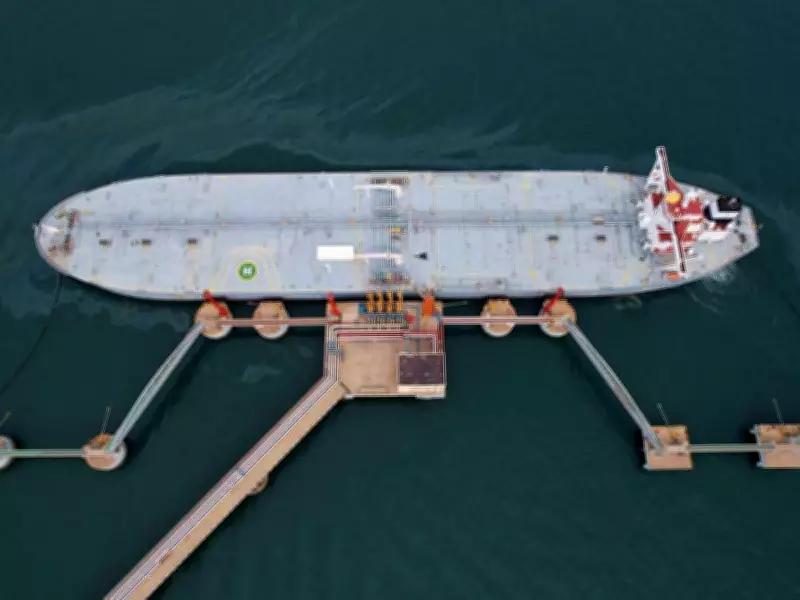
With China unable to fully absorb the displaced crude, a significant volume of unsold oil is piling up in Asian waters. Intelligence estimates now show almost 48 million barrels of Iranian oil floating at sea, a sharp increase from about 33 million barrels in early February. Most of this buildup is occurring in the Yellow Sea and the Singapore Strait. Additionally, around 9.5 million barrels of Russian oil are currently sitting idle in Asian waters.
This mounting glut leaves both Russia and Iran with dwindling options. The Kremlin has already been compelled to curb its oil output, depriving it of crucial revenue for its ongoing war in Ukraine. Meanwhile, Iran is attempting to ship as much oil as possible while bracing for a potential military attack by the United States, which could severely disrupt its export capabilities.
Strategic Challenges and Market Dynamics
The major Chinese state-owned refiners have traditionally avoided purchasing Iranian crude and have more recently largely withdrawn from the Russian trade as well. This leaves the teapot refiners as the primary, yet limited, market for these discounted barrels.
Analysts note that Russian cargoes currently carry a relatively lower level of risk for Chinese buyers compared to Iranian shipments, partly due to optimism surrounding a potential ceasefire in the Ukraine conflict. The situation remains volatile, with the global oil market closely watching how this price competition and geopolitical tensions will further influence supply, demand, and storage levels across Asia.