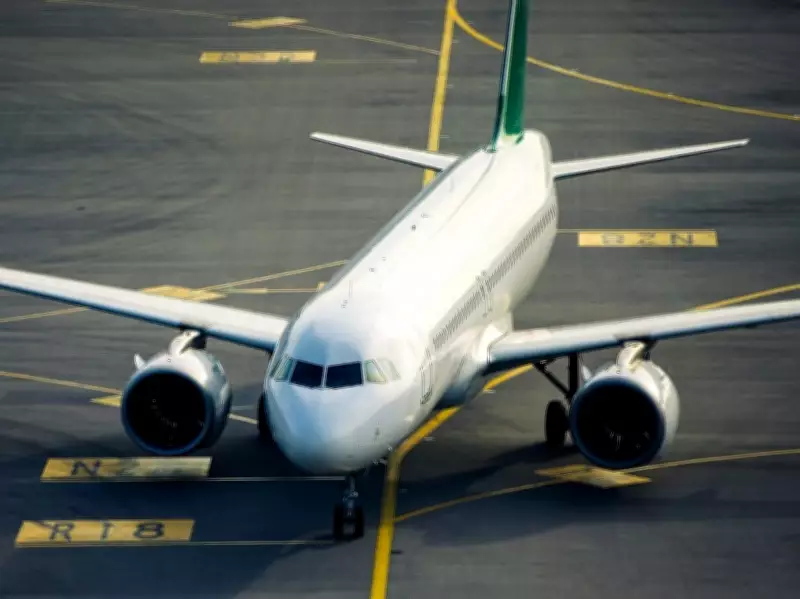
In the last five months, the government of Prime Minister Mark Carney has twice pitched the idea of privatizing Canada’s airports. While details remain vague, airport privatization and broader air travel policy reforms are long overdue, given poor service quality, expensive airfares and limited choice — problems largely due to a lack of competition.
Current Ownership Structure
For decades, Ottawa owned and operated all of Canada’s major airports. That changed in the 1990s when Jean Chrétien’s government leased the airports to not-for-profit airport authorities, while the government maintained ownership of the land. Since then, the federal government has collected rent from the airport authorities, which today amounts to $525 million annually.
In the current ownership structure, there’s little incentive for the not-for-profit airport authorities to compete, serve customer needs, lower costs or become more efficient, in part because they are largely unaccountable to customers and do not have shareholders. In contrast, private for-profit airport authorities are incentivized to improve efficiency, constrain costs and create a better customer experience to generate profits. Many high-volume airports in the European Union, Australia and New Zealand embrace this model. According to empirical research, private for-profit airports can improve service quality, serve more routes, reduce costs for passengers and generate more innovation than alternative models.

Broader Reforms Needed
However, airport privatization is only one part of the broader package of reforms required to enhance Canadian air travel. The Carney government should open up competition by scrapping policies that inhibit the creation of new airports, new airlines and new investment. For instance, Ottawa restricts foreign ownership of Canadian airlines and prohibits foreign airlines from flying domestic routes within Canada. Consequently, Canadians have little choice between airlines when booking their travel plans.
If the government removed these restrictions, existing domestic airlines would have more competitors to contend with, and consumers would have more choices and likely lower airfares. Last summer, the Competition Bureau, an agency of the federal government, published a report that found “when just one new competitor flies on a route between two cities, airfares go down by 9% on average.”
Reducing Taxes and Fees
Finally, to improve air travel, government must also reduce taxes and fees. Research consistently shows that Canada has among the most expensive air travel taxes and fees, which are costs passed on to consumers, raising the price of airfare. According to a 2025 study, approximately 25% to 35% of ticket costs in Canada originate from taxes and fees alone. It’s therefore unsurprising that Canada is an expensive country for air travel.
Privatizing airports is a step in the right direction to improve air travel for Canadians. But Ottawa must introduce broader policy reforms that remove restrictions on competition and offer greater choice to Canadians by learning from successful policies in peer countries.
Jake Fuss and Alex Whalen are research directors at the Fraser Institute.