Enverus Report Highlights Oilsands Growth Potential Amid Pipeline Concerns
A recent analysis from energy analytics firm Enverus underscores the significant growth potential of Canada's oilsands sector, while simultaneously raising alarms about looming pipeline capacity constraints that could stifle future expansion. The report, released in April 2026, provides a comprehensive assessment of the industry's trajectory, balancing optimism for production increases with caution regarding infrastructure limitations.
Strong Growth Forecast for Oilsands Production
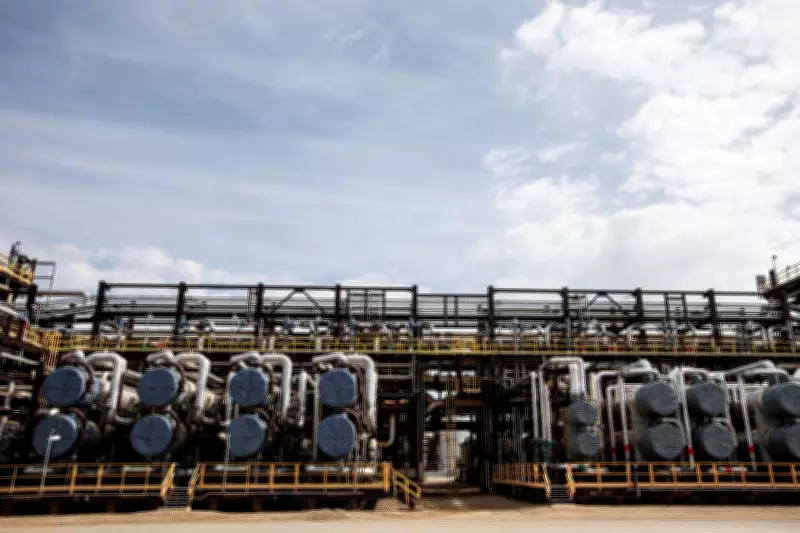
Enverus projects that the oilsands industry, primarily concentrated in Alberta, is poised for substantial growth in the coming years. This optimism is driven by ongoing technological advancements, operational efficiencies, and sustained global demand for Canadian heavy crude. The report notes that facilities like the Cenovus Christina Lake operation southeast of Fort McMurray exemplify the sector's capacity for scalable production, having demonstrated consistent performance and expansion capabilities in recent years.
The analysis suggests that without significant new infrastructure, this growth potential may be curtailed. Current pipeline networks are operating near capacity, creating bottlenecks that could limit the ability to transport increased production to domestic and international markets. This constraint not only affects immediate revenue streams but also impacts long-term investment decisions and economic planning for the region.

Pipeline Constraints Pose Significant Challenges
The Enverus report emphasizes that pipeline constraints represent a critical challenge for the oilsands industry. Limited transportation capacity can lead to price discounts for Canadian crude, reduced competitiveness in global markets, and potential delays in project approvals and developments. The firm warns that these constraints could undermine the economic benefits associated with oilsands growth, including job creation, government royalties, and regional development.
"The disconnect between production potential and transportation capacity is becoming increasingly apparent," the report states. "Addressing this infrastructure gap is essential for realizing the full economic potential of Canada's oilsands resources."
Broader Context and Industry Implications
This analysis arrives amid ongoing debates about energy infrastructure, environmental policies, and economic diversification in Canada. The oilsands sector remains a cornerstone of Alberta's economy and a significant contributor to Canada's energy exports. However, the industry faces multifaceted pressures, including climate commitments, regulatory hurdles, and shifting investor sentiments toward sustainable energy sources.
The Enverus report serves as a reminder that infrastructure development is a pivotal factor in the sector's future. While technological innovations may enhance production efficiency, without corresponding advancements in transportation logistics, the industry's growth could be hampered. Stakeholders, including government bodies, energy companies, and investors, are urged to consider these constraints in strategic planning and policy formulation.
In summary, the Enverus analysis presents a dual narrative: one of robust growth potential for Canada's oilsands, tempered by the urgent need to address pipeline capacity limitations. As the industry navigates these challenges, the outcomes will significantly influence regional economies, energy markets, and Canada's position in the global energy landscape.