Global oil prices are projected to remain elevated across a range of potential conflict scenarios involving Iran, according to recent analyses from energy experts and geopolitical strategists. This persistent upward pressure on crude costs stems from heightened tensions in the Middle East, particularly around Iran's strategic maritime positions.
Geopolitical Tensions Fuel Market Uncertainty
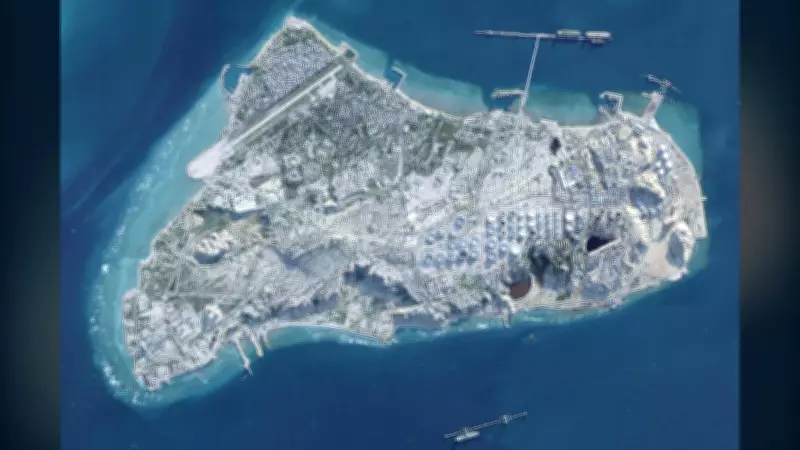
The ongoing geopolitical instability surrounding Iran has created significant uncertainty in global energy markets. Analysts note that even limited escalations could disrupt oil flows through critical chokepoints, leading to sustained price increases. Iran's recent moves to formalize control over the Strait of Hormuz have particularly alarmed market observers, as this waterway handles approximately one-fifth of global oil shipments.
Multiple Conflict Scenarios Analyzed
Energy economists have modeled various potential conflict developments, from limited skirmishes to broader regional confrontations. Across all these scenarios, oil prices are expected to maintain elevated levels due to several key factors:

- Potential disruption to shipping through the Strait of Hormuz
- Increased insurance costs for tankers operating in the region
- Market speculation driving price volatility
- Reduced investor confidence in stable energy supplies
Economic Implications for Global Markets
The sustained high oil prices are anticipated to have far-reaching economic consequences. Consumers worldwide may face continued pressure on transportation and heating costs, while industries dependent on petroleum products could see their operating expenses increase significantly. This comes at a time when many economies are already grappling with inflationary pressures from other sectors.
Long-Term Market Adjustments
Energy analysts suggest that markets may need to adjust to a new normal of higher baseline oil prices, regardless of how specific geopolitical events unfold. This could accelerate transitions to alternative energy sources while prompting strategic petroleum reserve releases by consuming nations. The situation underscores the delicate balance between energy security and geopolitical stability in today's interconnected global economy.