

Iran Conflict Triggers Global Fertilizer Shortage, Food Price Fears Mount
The ongoing war in Iran has sparked a severe global fertilizer shortage, threatening to destabilize food prices and agricultural production worldwide. This disruption in the supply chain is already having tangible effects, as seen in regions like Limuru, Kenya, where farmers are grappling with limited access to essential nutrients for their crops.
Immediate Impacts on Global Agriculture
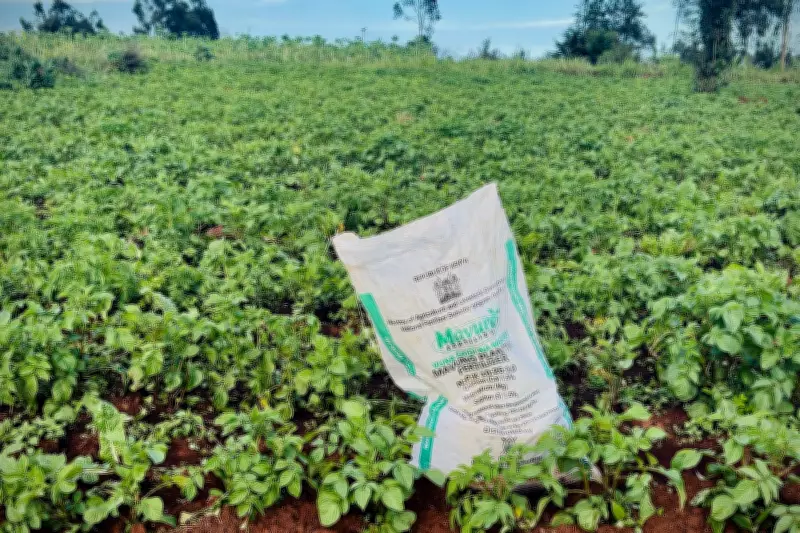
Iran is a key producer and exporter of fertilizers, particularly nitrogen-based products, which are critical for modern farming. The conflict has halted or severely restricted exports, creating a supply vacuum that other nations are struggling to fill. This shortage is not just a theoretical concern; it is manifesting in real-time across the globe. In Kenya, for instance, farmers like Elizabeth Wangua are facing delays and increased costs as they prepare their lands for planting season, with bags of fertilizer becoming scarce commodities.
The ripple effects extend far beyond local fields. Fertilizer prices have surged by over 30% in some markets since the conflict began, according to preliminary reports. This price hike directly translates to higher production costs for farmers, which are likely to be passed on to consumers through increased food prices. Staples such as wheat, corn, and rice could see significant price inflation in the coming months if the shortage persists.

Broader Economic and Social Consequences
Experts warn that this fertilizer crisis could exacerbate existing food insecurity, particularly in developing nations that rely heavily on imports. The timing is especially precarious, as many regions are entering crucial planting periods. Without adequate fertilizer, crop yields may plummet, leading to reduced harvests and further straining global food reserves.
Moreover, the shortage highlights the fragility of interconnected global supply chains. Iran's role in the fertilizer market is substantial, and its sudden withdrawal has exposed vulnerabilities that policymakers are now scrambling to address. Some countries are exploring alternative sources or ramping up domestic production, but these measures take time and may not fully offset the deficit in the short term.
Looking Ahead: Potential Solutions and Challenges
In response, international organizations and governments are calling for coordinated efforts to mitigate the impact. Proposals include:
- Increasing fertilizer production in other regions, such as North America and Europe.
- Promoting the use of organic alternatives or precision farming techniques to reduce dependency.
- Establishing emergency reserves to buffer against future supply shocks.
However, these solutions face hurdles, including logistical challenges, environmental concerns, and the immediate need for rapid action. As the war in Iran continues with no clear end in sight, the global agricultural community remains on high alert, bracing for a prolonged period of uncertainty and potential hardship.
In summary, the Iran conflict has inadvertently triggered a fertilizer shortage that poses a serious threat to global food stability. With prices already rising and supplies dwindling, the world must navigate this crisis carefully to prevent a full-blown food price emergency.






