Crude Oil Prices Skyrocket to Near $120 a Barrel Amid Escalating Iran Conflict
Global crude oil markets are experiencing severe turbulence, with prices surging to approximately US$120 per barrel. This dramatic spike is directly linked to the intensifying military conflict in Iran, which is critically impeding oil production and disrupting vital shipping routes in the region.
Conflict Triggers Supply Chain Crisis
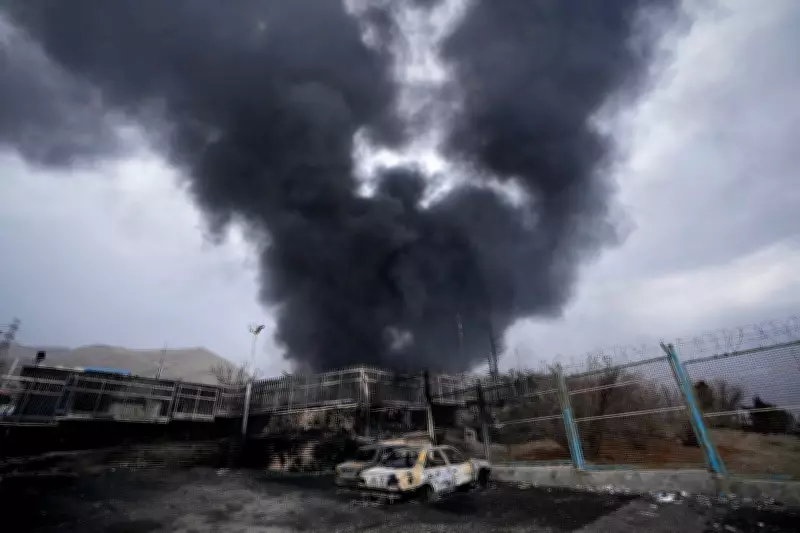
The recent escalation, including a reported strike on an oil storage facility in Tehran, has exacerbated existing tensions. These hostilities are creating significant bottlenecks in the production and transportation of crude oil. Key shipping lanes, essential for global energy supply, are now facing unprecedented risks and delays, contributing to the sharp price increase.
Market analysts warn that the volatility could persist, as the situation remains fluid and unpredictable. The conflict's impact extends beyond immediate production halts, affecting long-term supply stability and investor confidence in the energy sector.

Global Economic Repercussions
The surge in oil prices is sending shockwaves through the global economy. Higher energy costs are expected to fuel inflation, increase transportation expenses, and place additional financial pressure on consumers and industries reliant on petroleum products. This development comes at a time when many economies are already grappling with post-pandemic recovery challenges.
"The disruption in Iran is a stark reminder of how geopolitical instability can directly influence global commodity markets," noted one energy market expert. "We are seeing a classic supply shock, where fear and actual physical constraints are driving prices to levels not seen in recent years."
Broader Implications for Energy Security
This event underscores the fragile nature of global energy security. Nations heavily dependent on oil imports are now reassessing their energy strategies and diversification efforts. The crisis may accelerate investments in alternative energy sources and more resilient supply chain models to mitigate future geopolitical risks.
As the situation in Iran continues to evolve, stakeholders from governments to corporations are closely monitoring developments, preparing for potential further market disruptions and planning contingency measures to cushion the economic impact of sustained high oil prices.