Global oil prices have surged dramatically in the wake of significant geopolitical developments in the Middle East, as Iran names a new supreme leader and launches a series of military strikes. This escalation has intensified regional tensions, directly impacting energy markets and raising concerns about broader economic stability.
Iran's Leadership Transition and Military Escalation
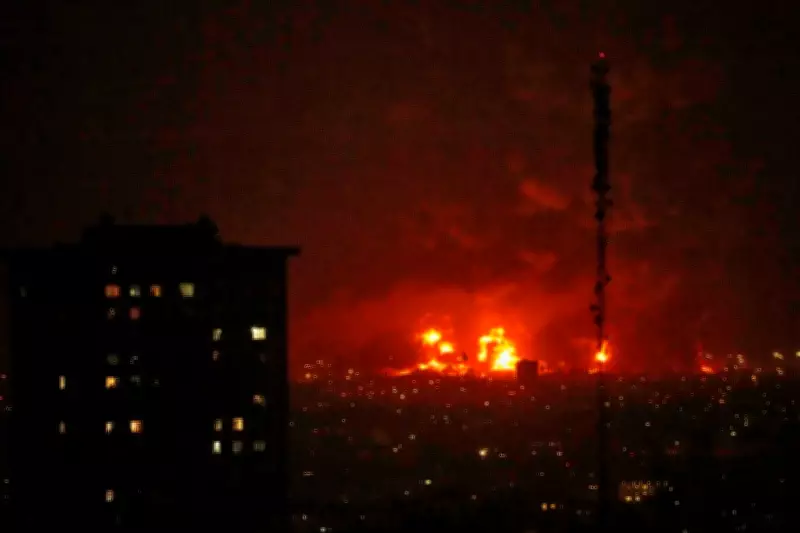
Following the announcement of Mojtaba Khamenei, son of the former supreme leader, as the new successor, Iran has initiated additional attacks in the region. These actions are part of an ongoing conflict involving U.S. and Israeli military campaigns, with recent strikes targeting areas including the capital Tehran. Reports indicate flames rising from an oil storage facility south of Tehran, highlighting the immediate physical and economic repercussions of the hostilities.
Immediate Impact on Global Oil Markets
The combination of leadership changes and increased military activity has led to a sharp rise in oil prices, with benchmarks climbing as markets react to the uncertainty. Analysts note that this volatility reflects fears of supply disruptions and heightened geopolitical risk, which could affect global energy security. The situation is particularly sensitive given Iran's role as a key player in oil-producing regions.

Broader Economic and Security Implications
Beyond the oil markets, the escalation poses risks to international trade and diplomatic relations. Countries dependent on Middle Eastern oil are closely monitoring developments, as prolonged conflict could lead to sustained price increases and inflationary pressures. Additionally, the military strikes have raised alarms about potential humanitarian crises and further destabilization in the area.
Context and Historical Background
This latest phase of conflict builds on longstanding tensions in the Middle East, with previous incidents contributing to a fragile security environment. The appointment of a new supreme leader marks a pivotal moment in Iran's political landscape, potentially influencing its foreign policy and military strategies moving forward. Historical data shows that similar geopolitical events have often triggered market fluctuations, underscoring the interconnectedness of politics and economics.
Expert Analysis and Future Outlook
Energy experts warn that if hostilities continue, oil prices could remain elevated, affecting everything from transportation costs to consumer goods. Some predict that this may accelerate shifts toward renewable energy sources as nations seek to reduce dependency on volatile regions. However, in the short term, the focus remains on diplomatic efforts to de-escalate the situation and stabilize markets.
As events unfold, stakeholders from governments to investors are advised to stay informed and prepare for potential economic ripple effects. The coming days will be critical in determining whether this surge in oil prices is a temporary spike or the beginning of a more prolonged period of market instability.