Oil Markets in Turmoil as Iran's Leadership Shift Sparks Price Surge
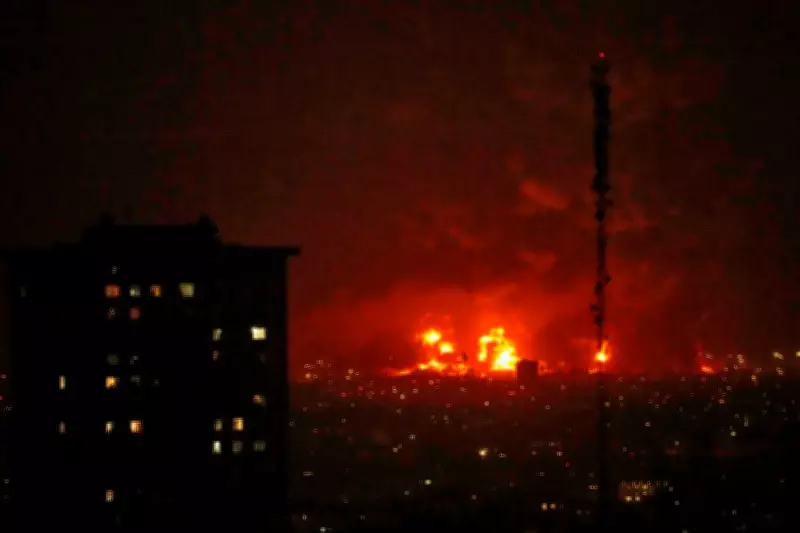
Global oil prices experienced a dramatic spike, briefly reaching nearly US$120 per barrel, after Iran named Mojtaba Khamenei as its new supreme leader and launched a series of aggressive military attacks in the region. This sudden escalation has sent shockwaves through financial markets worldwide, with stock indices shuddering as investors grapple with the potential for a prolonged and expanding conflict in the Middle East.
Leadership Change and Military Escalation
The appointment of Mojtaba Khamenei as Iran's new supreme leader has created significant geopolitical uncertainty. Analysts note that Khamenei now carries what one observer described as a "very large target on his back" due to his position and Iran's volatile actions. Concurrently, Iran has intensified its military operations, launching additional attacks that have heightened tensions across the Middle East. This combination of leadership transition and heightened aggression has directly impacted global energy markets, with oil prices soaring in response to fears of supply disruptions.
Global Economic and Political Repercussions
The oil price surge has triggered widespread economic concerns, affecting everything from transportation costs to inflation projections. Stock markets around the world reacted negatively to the news, reflecting anxiety over potential energy shortages and broader economic instability. In Canada, the political response has been mixed. Former Foreign Affairs Minister has publicly criticized what he calls Canada's "confusing" stance on the Iran war, while Bank of Canada Governor Mark Carney is expected to skip parliamentary debates on the issue. Meanwhile, Canadians with family ties to the region report being placed in "unimaginable" positions as they attempt to navigate the dangerous situation.

Humanitarian Crisis and Regional Fallout
The conflict has already created a significant humanitarian crisis, with thousands attempting to flee the violence through neighboring countries like Turkey. Reports from Istanbul describe "floods" of people seeking passage to safety, while families face immense struggles in their efforts to escape the escalating violence. The question of whether the war will expand to additional countries remains a pressing concern for international observers and diplomatic circles.
Broader Implications and Future Outlook
This development represents more than just a temporary market fluctuation. The combination of leadership change in a major oil-producing nation and increased military aggression creates a perfect storm for energy market volatility. As governments worldwide monitor the situation, the potential for further price increases remains high if tensions continue to escalate. The international community now watches closely to see how this leadership transition will affect Iran's foreign policy and whether diplomatic solutions can be found to prevent a wider regional conflict with global economic consequences.