Global oil markets experienced a sudden reversal on Monday, January 5, 2026, as prices fell following the dramatic capture of Venezuelan President Nicolas Maduro by United States forces. The operation, which saw Maduro flown out of the country, has sent shockwaves through international diplomatic circles and commodity trading floors alike.
Market Reaction to Geopolitical Shock
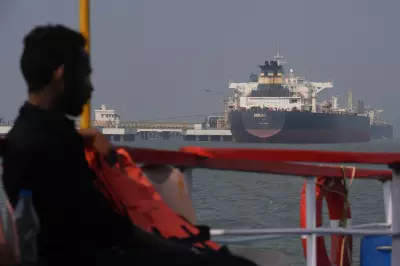
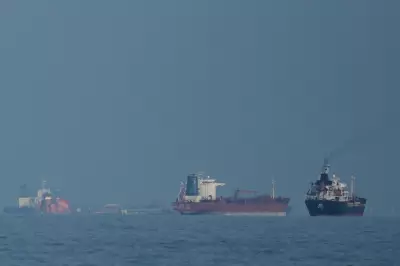
The price of Brent crude, the international benchmark, dropped significantly in early trading as news of the capture solidified. This decline comes after initial volatility over the weekend when reports first emerged. Analysts suggest the market is pricing in a potential stabilization of Venezuelan oil production, which has been severely hampered by years of economic crisis and sanctions under Maduro's regime.
The capture occurred after a prolonged period of escalating tensions between the U.S. and the Venezuelan government. The administration of U.S. President Donald Trump had long labeled Maduro's leadership as illegitimate and had previously levied severe sanctions on Venezuela's crucial oil sector. The physical seizure of the leader marks an unprecedented escalation in Western hemisphere politics.

Canadian Perspectives and Global Repercussions
The event has sparked immediate reactions across Canada, from government corridors to energy sector boardrooms. As a major oil-producing nation and close U.S. ally, Canada finds itself in a complex position. While not directly involved in the military action, Canada's foreign policy and economic interests are deeply intertwined with the stability of the Americas and global energy security.
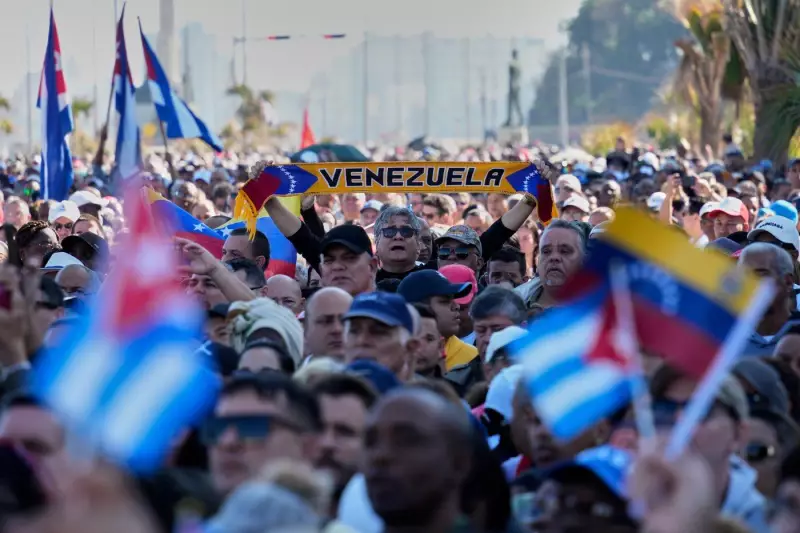
Political analysts are now scrutinizing comments made by former U.S. President Trump, who has recently hinted at ambitions beyond Venezuela. His remarks have spurred anxieties about potential future U.S. actions concerning Greenland and Cuba, suggesting a broader, more interventionist policy in the region that could further destabilize established trade and diplomatic relationships.
The situation in Venezuela is particularly sensitive due to the nation's possession of the world's largest proven oil reserves. Any major shift in its governance or production capacity has direct consequences for global supply, affecting prices that impact everything from the cost of gasoline in Canada to the profitability of the Alberta oil sands.
Looking Ahead: Uncertainty and Strategy
The immediate future remains highly uncertain. Key questions loom regarding who will assume power in Venezuela, how its state-owned oil company PDVSA will operate, and whether U.S. sanctions will be lifted to allow a flood of Venezuelan crude back onto the market. Such a scenario could suppress prices for an extended period, affecting investment decisions in Canada's energy sector.
Furthermore, the bold U.S. action sets a controversial precedent for international law and the principle of national sovereignty. Canadian officials are likely weighing their response carefully, balancing alliance loyalty with a commitment to multilateral norms. The long-term implications for inter-American relations and global energy geopolitics are only beginning to unfold, ensuring that all eyes will remain on Venezuela and the reaction of oil markets in the days and weeks to come.