In a significant market shift, global oil prices have plunged toward the US$90 per barrel mark, while U.S. stock indices surged by 2.7% on Tuesday, April 8, 2026. This dramatic financial movement follows the announcement of a ceasefire agreement between the United States and Iran, which has alleviated longstanding geopolitical tensions that have weighed heavily on international markets.
Market Reactions to Geopolitical Developments
The ceasefire, confirmed by both nations, has immediately reduced fears of supply disruptions in the critical Middle Eastern oil-producing region. As a result, benchmark crude oil prices dropped sharply, moving below the US$100 threshold and approaching US$90 per barrel. This decline reflects investor confidence that stability in the region could lead to more consistent and secure energy supplies.
Stock Market Rally Amid Renewed Optimism
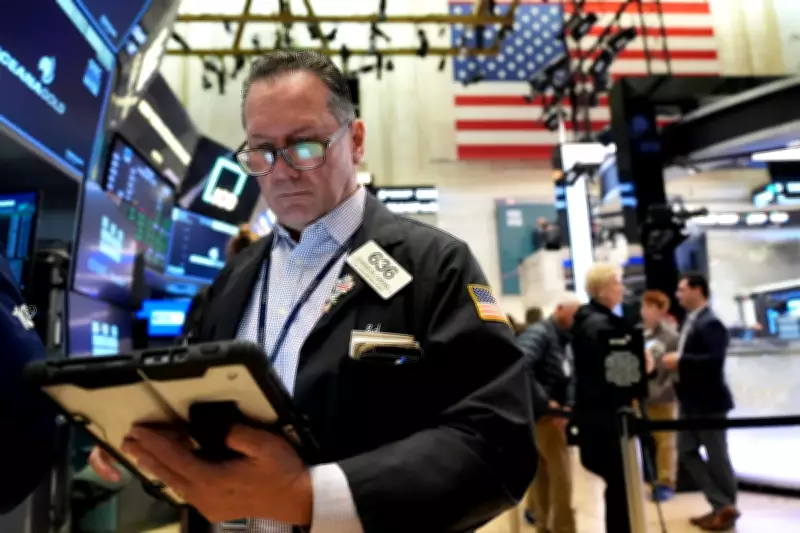
Concurrently, U.S. equity markets experienced a robust rally, with the S&P 500 and Dow Jones Industrial Average both climbing 2.7%. Traders on the floor of the New York Stock Exchange, including Ed Curran, who was photographed during Tuesday's session, witnessed heightened activity as buyers returned to the market. Analysts attribute this surge to reduced risk premiums and improved sentiment regarding global economic stability.

Broader Economic Implications
The dual movements in oil and stocks underscore the interconnected nature of geopolitical events and financial markets. Lower oil prices typically reduce costs for businesses and consumers, potentially easing inflationary pressures. Meanwhile, the stock market gains signal investor anticipation of stronger corporate earnings and economic growth in a less volatile international environment.
Context and Future Outlook
This development occurs against a backdrop of ongoing energy volatility, as highlighted in recent reports from firms like Deloitte, which have pointed to persistent pressures on Western Canada's natural gas prices. However, the immediate market response suggests that the U.S.-Iran ceasefire could provide a temporary respite from such uncertainties.
Looking ahead, market observers will closely monitor the implementation of the ceasefire and its durability. Any signs of renewed tensions could quickly reverse today's gains, but for now, the agreement has injected a dose of optimism into global financial systems, demonstrating how diplomatic breakthroughs can swiftly translate into economic relief.