Oil Market Analysts Assess Long-Term Impacts of Extended Middle East Conflict
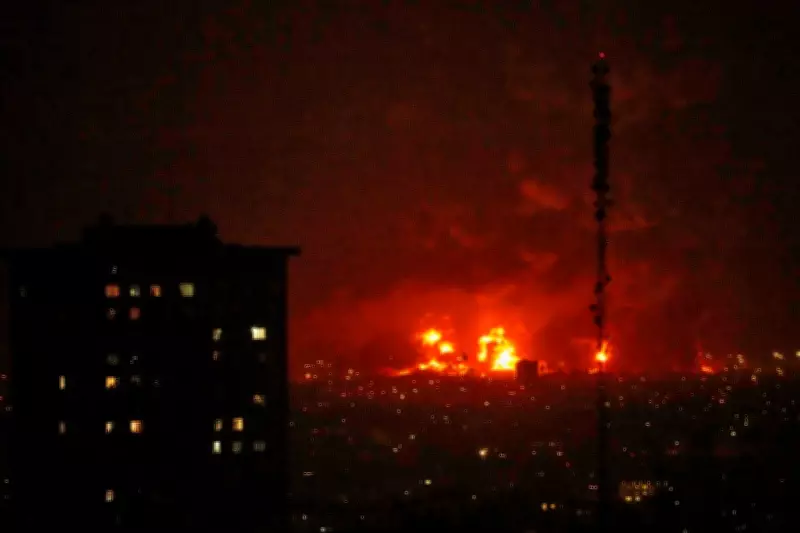
As tensions escalate in the Middle East, oil market watchers are closely monitoring the potential consequences of a prolonged war on global energy supplies and economic stability. The conflict, which has seen military actions including strikes on key infrastructure like oil storage facilities, threatens to disrupt production and transportation routes critical to the world's oil markets.
Potential Disruptions to Global Oil Supply
Analysts highlight that the Middle East is a pivotal region for oil production, accounting for a significant portion of global output. Any sustained conflict could lead to supply shortages, driving up prices and causing volatility in energy markets. This instability is particularly concerning given the region's role in exporting oil to major economies, including North America and Europe.
Key factors under scrutiny include:

- Damage to oil infrastructure, such as refineries and pipelines, which could take months or years to repair.
- Geopolitical risks that may hinder shipping through vital waterways like the Strait of Hormuz.
- Increased insurance costs and logistical challenges for oil tankers navigating conflict zones.
Economic Ripple Effects and Market Reactions
The economic implications extend beyond immediate price spikes. Higher oil prices can fuel inflation, strain consumer budgets, and slow economic growth in oil-importing countries. In response, financial markets have shown signs of nervousness, with stocks experiencing fluctuations as investors weigh the risks of prolonged supply disruptions.
Market experts emphasize that the duration and intensity of the conflict will be crucial in determining the long-term impact. A short-term skirmish might cause temporary price hikes, but a drawn-out war could lead to structural changes in the global energy landscape, prompting shifts toward alternative energy sources and increased domestic production in other regions.
Broader Implications for Energy Policy and Security
This situation underscores the importance of energy security and diversification. Governments and corporations may accelerate investments in renewable energy and strategic reserves to mitigate dependence on volatile regions. Additionally, diplomatic efforts to de-escalate the conflict are seen as vital to stabilizing oil markets and preventing broader economic fallout.
In summary, while the full impact remains uncertain, oil market analysts agree that a prolonged Middle East war poses significant risks to global oil supplies, economic stability, and energy policies, necessitating careful monitoring and proactive measures by stakeholders worldwide.